
Roasted Spaghetti Squash Recipe: Step-by-Step Guide for Perfect Results
Roasted Spaghetti Squash Recipe: Step-by-Step Guide for Perfect Results
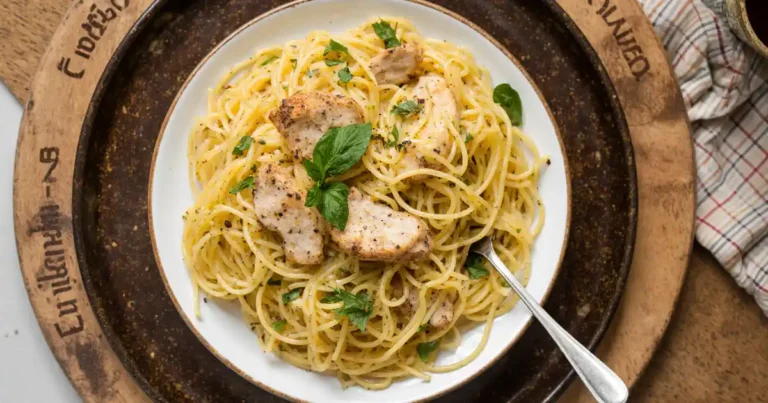
You want a dinner that feels cozy, looks impressive, but does not ask for hours of work or a sink full of dishes. Roasted spaghetti squash gives you all of that in one simple move: you get golden strands that twirl like pasta, taste naturally sweet, and still fit into a lighter, veggie-forward way of eating. When you know exactly how long to roast it, how to season it, and how to avoid mushy results, this roasted spaghetti squash recipe quickly becomes one of your most reliable go-to meals.
Table of Contents
Why You Will Love Roasted Spaghetti Squash
When you roast spaghetti squash the right way, you are not just making a side dish; you are creating a base you can turn into countless satisfying meals.
- You get pasta-like strands with far fewer calories and carbs than regular spaghetti.
- You have a naturally gluten-free and grain-free option without buying special products.
- You can pair it with almost anything: tomato sauce, pesto, butter and herbs, roasted vegetables, or protein of your choice.
- You only need basic pantry ingredients and a standard oven to get excellent results.
One cup of cooked spaghetti squash has roughly 42 calories and about 10 grams of carbs, which is a fraction of what you would get from the same volume of wheat pasta. That means you can build a generous bowl that still feels light enough for weeknights or weight-conscious eating.
What Makes Roasted Spaghetti Squash So Special?
Nutrition Benefits You Can Actually Use
When you switch from regular pasta to spaghetti squash, you give yourself more volume on the plate without loading up on starch. One cup of cooked squash typically provides around 42 calories, about 10 grams of carbs, and roughly 2 grams of fiber, along with vitamins like vitamin C, B6, niacin, potassium, and manganese. Because it is low in calories yet still provides fiber, it can support healthy weight management and more balanced blood sugar when you pair it with protein and fats.
You also avoid gluten automatically because spaghetti squash is a vegetable, not a grain. That makes this roasted spaghetti squash recipe a smart base for gluten-free, low-carb, or “just trying to eat more plants” lifestyles.
Flavor, Texture, and Why Roasting Wins
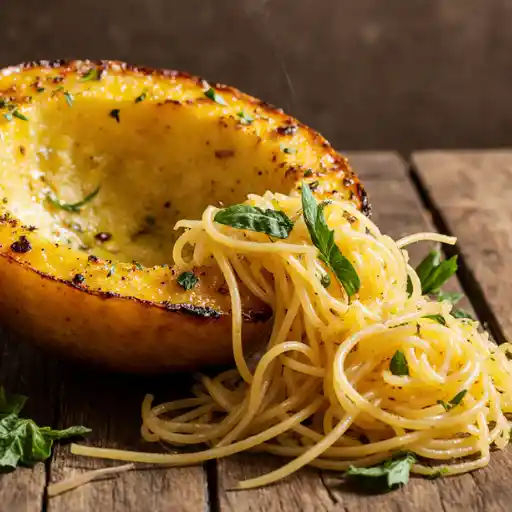
You might be surprised by how much character spaghetti squash has when you roast it instead of boiling it. In the oven at around 400°F, the edges start to caramelize lightly, bringing out subtle sweetness and a nutty aroma. When you scrape it with a fork, the flesh separates into long, noodle-like strands that hold sauces and toppings beautifully, as long as you do not overcook them.
Boiling tends to waterlog the strands, but roasting concentrates flavor and helps you avoid that soggy or mushy texture you want to steer clear of. Once you master the roasting timing, you get strands that are tender but still have a gentle bite, very similar to al dente pasta.
Ingredients for the Best Roasted Spaghetti Squash Recipe
To keep things simple and reliable, you do not need an endless ingredient list. Start with the basics and build flavor with toppings later.
Ingredient Table
You can keep the base roasted spaghetti squash recipe minimal and then layer sauces or toppings on the finished strands, which makes this format ideal for family dinners with different tastes.
Step-by-Step Guide: How to Roast Spaghetti Squash Perfectly
Step 1: Preheat and Prepare the Squash
You start by warming your oven to 400°F (about 200°C), a temperature that gives you tender strands without scorching the edges. Line a baking sheet with parchment paper for easier cleanup and better nonstick performance.
Cutting a whole spaghetti squash can feel intimidating, so you can soften the task by microwaving the whole squash for 2–3 minutes first, then slicing it lengthwise with a sharp knife. Scoop out the seeds and stringy center with a spoon, similar to how you would clean a pumpkin. Drizzle the cut sides with olive oil, then season generously with salt, pepper, and any simple seasonings you enjoy.
Step 2: Roast Cut-Side Down for Golden, Tender Flesh
Place the squash halves cut-side down on your prepared baking sheet; this helps trap steam, cook the inner flesh evenly, and promote a bit of browning on the edges. Slide the tray into the preheated oven and roast for about 30–45 minutes, depending on the size of your squash and how firm you prefer the strands.
You know your roasted spaghetti squash is done when:
- A fork slides easily into the flesh.
- The outer shell gives slightly when pressed.
- The edges may look lightly golden or browned, but not burnt.
If you like a firmer, more noodle-like bite, start checking around 25–30 minutes; for softer strands, you can go a bit longer, but avoid over-baking or the strands can become mushy and clump together.
Step 3: Scrape the “Spaghetti” Strands
Once the squash is cool enough to handle but still warm, flip each half over so the cut side faces up. Take a fork and gently pull the flesh from side to side; as you move, it naturally separates into thin strands that look like spaghetti noodles.
It is easier to get long, defined strands if you:
- Scrape in the same direction as the strands run.
- Avoid digging too hard into the skin, which can break strands into mush.
- Work while the squash is still slightly warm, not fully cold.
At this point, you can season again to taste, drizzle a little extra olive oil, and begin building your favorite flavor combinations.
Simple Ways to Serve Roasted Spaghetti Squash
Everyday Toppings You Can Use Tonight
You do not need elaborate recipes to turn roasted spaghetti squash into a complete meal. With just a few pantry staples, you can build a satisfying bowl.
Try combinations like:
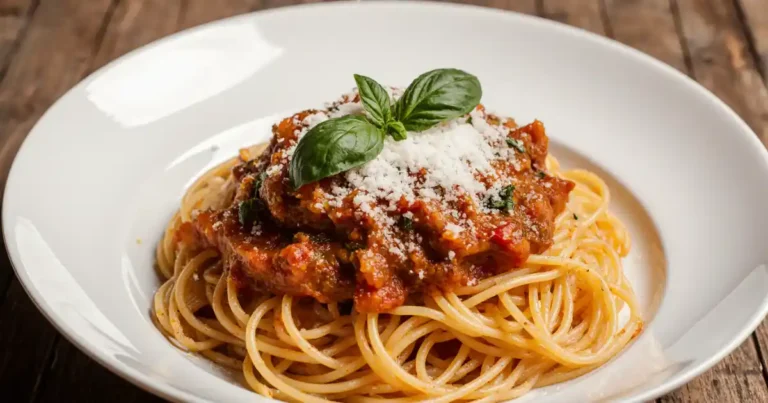
- Olive oil, minced garlic, and grated Parmesan cheese for a simple, classic bowl.
- Marinara sauce with basil and a sprinkle of mozzarella for a lighter version of pasta night.
- A drizzle of pesto and toasted nuts for an herb-forward, aromatic dish.
- Butter, salt, pepper, and fresh parsley as a quick side next to grilled chicken or fish.
Because the base strands are neutral and lightly sweet, they work well with both tomato-based sauces and creamy or cheesy toppings.
Creative Twists to Keep Things Interesting
Once you are comfortable with the basic roasted spaghetti squash recipe, you can turn it into more layered dishes.
Here are a few ideas:
- Mediterranean-style: Toss the warm strands with olive oil, lemon juice, cherry tomatoes, olives, spinach, and feta cheese.
- “Alfredo” style: Stir in a light cream sauce or Greek yogurt-based sauce with garlic, pepper, and grated cheese.
- Taco bowl: Season with chili powder and cumin, then top with black beans, salsa, avocado, and a squeeze of lime.
- Vegan garlic-herb: Use olive oil or vegan butter, garlic, nutritional yeast, and chopped fresh herbs for a dairy-free, flavor-packed bowl.
By rotating toppings rather than the base recipe, you save time and still feel like you are trying something new each week.
Storage and Meal Prep Tips for Roasted Spaghetti Squash
How to Store Leftover Strands
If you like to cook once and eat several times, spaghetti squash fits that plan nicely. After roasting and scraping the strands, let them cool completely and store them in an airtight container in the fridge for up to 3–4 days. Because it is mostly water, you may notice a little liquid in the container; you can drain off excess moisture before reheating to keep texture pleasant.
For longer storage, freeze your strands in flat, labeled freezer bags or freezer-safe containers. Spreading them in a thin layer helps them freeze and thaw more evenly. When you are ready to use them, thaw in the fridge and reheat gently.
Reheating Without Losing Texture
To keep your roasted spaghetti squash from turning watery when you reheat it, you want to use gentle heat and avoid overcooking.
You can:
- Warm it in a skillet over medium heat with a little olive oil or butter, stirring just until hot.
- Microwave briefly in short intervals, stirring in between, and drain off any extra liquid that appears.
- Add sauces only after reheating, not before freezing, to keep textures cleaner and flavors brighter.
A final sprinkle of fresh herbs, cheese, or a squeeze of lemon perks up leftover roasted squash and makes it feel freshly made.
Expert Tips for Perfect Roasted Spaghetti Squash Every Time
You can tighten up your process with a few simple habits that remove guesswork.
- Choose medium-sized squash rather than very large ones; they tend to roast more evenly and have better flavor.
- Roast cut-side down to encourage light caramelization and control moisture.
- Start checking doneness early, especially if your squash is smaller; it is easier to add a few more minutes than to fix overcooked strands.
- Scrape the squash while it is still warm so the strands separate more easily instead of clumping.
- Keep seasonings simple on the roasting pan and customize toppings on the plate, especially if you are serving multiple people with different preferences.
Once these steps become second nature, you can roast spaghetti squash almost on autopilot while you focus on sauces or side dishes.
Common Mistakes to Avoid With Roasted Spaghetti Squash
Even though this recipe is straightforward, a few missteps can leave you with disappointing results. You can sidestep them easily once you know what to look for.
- Struggling to cut the squash: If you try to slice it raw without softening, you risk slipping or uneven halves; a brief microwave preheat makes it much easier to cut safely.
- Overcooking: Leaving the squash in the oven too long makes the strands mushy and wet; set a timer and test early with a fork.
- Roasting cut-side up: This can trap too much moisture and cause steaming rather than roasting; cut-side down helps moisture escape and browning develop.
- Scraping when fully cold: The strands compact as they cool; warm squash separates into longer, more defined strands.
When you avoid these common errors, your roasted spaghetti squash recipe becomes consistent, not hit-or-miss.
FAQs About Your Roasted Spaghetti Squash Recipe
How do you cut spaghetti squash more easily?
You can poke the whole squash a few times with a fork, microwave it for about 2–3 minutes, and then slice it lengthwise with a sharp knife while it is slightly softened. This makes the skin easier to pierce and lowers the chance of slipping as you cut.
Why is my roasted spaghetti squash watery or mushy?
Your squash is usually watery when it is overcooked or when it is roasted cut-side up, which causes excessive steaming instead of dry heat roasting. To fix this, roast cut-side down, check for doneness earlier, and drain off any liquid that collects before adding sauces.
Can you roast spaghetti squash in an air fryer?
Yes, you can roast spaghetti squash halves in an air fryer at around 375–400°F for about 20–30 minutes, depending on the size of the squash and how firm you want the strands. As with the oven, place them cut-side down and check with a fork to make sure the flesh is tender but not collapsing.
Is roasted spaghetti squash really low-carb and weight-loss friendly?
One cup of cooked spaghetti squash typically provides around 10 grams of carbs and only about 42 calories, compared to more than 200 calories and over 40 grams of carbs in a cup of regular pasta. Because it is lower in calories and offers some fiber, it can support weight loss and blood sugar control when you pair it with balanced toppings.
How long does roasted spaghetti squash last in the fridge?
If you store the cooked strands in an airtight container, they usually keep well for about 3–4 days in the refrigerator. For longer storage, you can freeze them in flat portions and reheat gently later so they keep a pleasant texture.
Conclusion: Make Roasted Spaghetti Squash a Regular on Your Table
When you master this roasted spaghetti squash recipe, you give yourself an option that feels comforting like pasta but fits more smoothly into your goals for lighter, veggie-forward eating. With just a simple roasting method, a fork for scraping, and a few favorite sauces, you can turn one humble squash into a weeknight staple that adapts to your mood and your pantry.
Now it is your turn to preheat the oven, pick out a good squash, and try this method in your own kitchen. Once you have your first bowl of golden strands ready, share your favorite topping combination in the comments, ask questions if any step still feels uncertain, and save this guide so you can come back to it every time you plan a lighter pasta-style dinner.
Just tried this and loved it! The spaghetti squash turned out perfectly tender and flavorful. Definitely adding this to my weekly meals