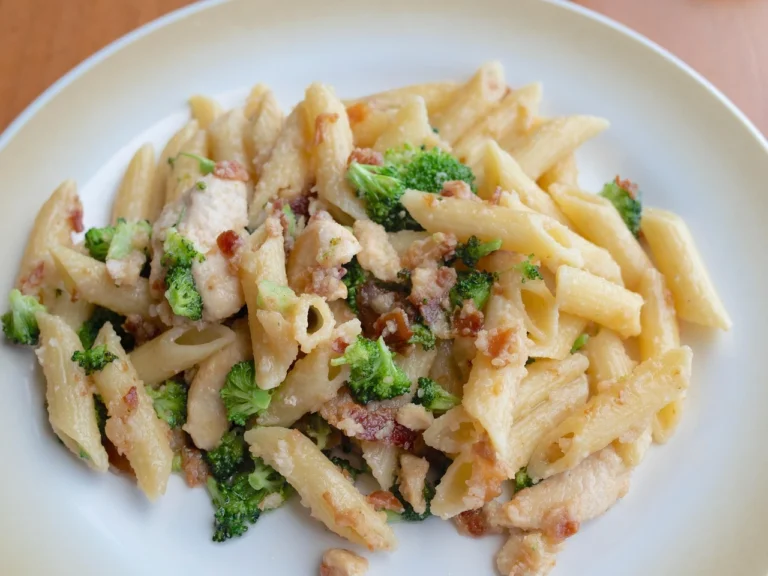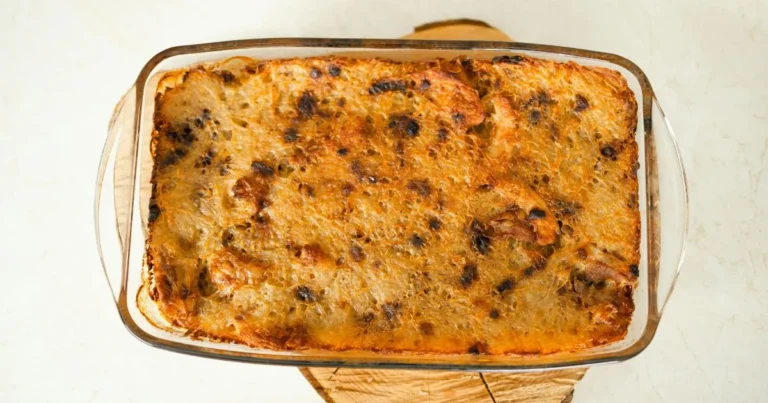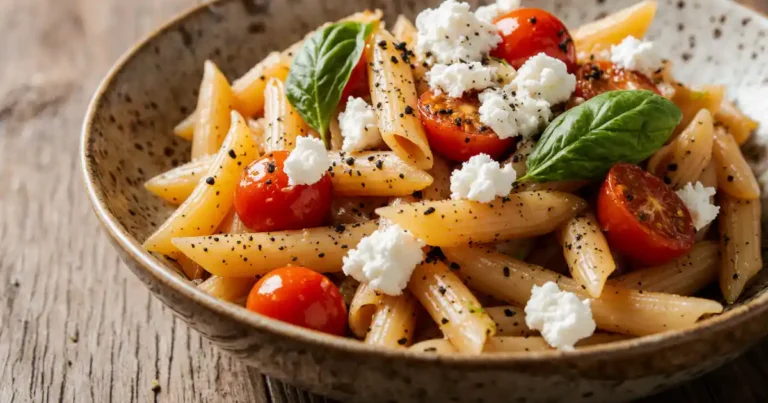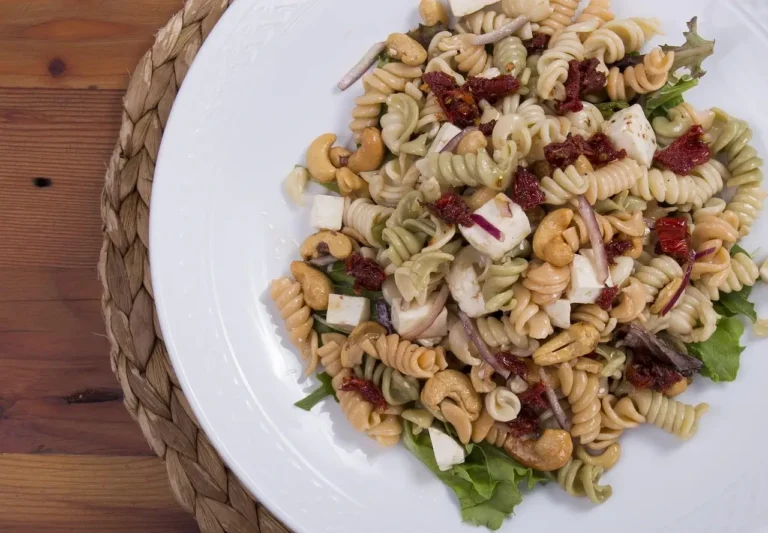
Jerk pasta: key flavors and how it differs from rasta pasta.
Jerk Pasta – Key Flavors and How It Differs From Rasta Pasta
There are dishes that simply feed you, and then there are dishes that stay with you. When you first discover jerk pasta, you instantly feel that difference. Maybe it’s the warm sting of the spices, the comforting depth of the sauce, or the way the aroma fills your kitchen before you even take a bite. Whatever it is, jerk pasta has a way of making you slow down, breathe deeply, and appreciate the moment.
And if you’ve ever tasted rasta pasta, you already know how beautifully Caribbean flavors play with creamy pasta. But jerk pasta? It carries its own identity—more fire, more depth, more personality. As you explore the contrast between these two crowd-pleasing dishes, you’re not just learning recipes. You’re unlocking a deeper understanding of how flavor, culture, and technique shape what ends up on your plate.
This guide walks you through the essential flavors of jerk pasta, how it came to be, and why it differs so clearly from rasta pasta. By the end, you’ll not only understand the differences—you’ll be able to make both dishes confidently, creatively, and with your own twist.
Table of Contents
What Jerk Pasta Really Is
Jerk pasta brings together two worlds: hearty pasta and the unmistakable character of Jamaican jerk seasoning. When you prepare this dish, you’re essentially taking the vibrant, smoky, peppery essence of jerk cooking and folding it into a rich, velvety sauce that hugs every strand of pasta.
You’re blending comfort food with bold Caribbean heat—a combination that’s become popular everywhere from home kitchens to fusion restaurants.
What goes into jerk pasta?
You’ll usually find these core components:
- A protein seasoned generously with jerk spices
- Pasta that holds sauce well, like penne or fettuccine
- A creamy, flavorful base
- Bell peppers, onions, and fresh herbs
- A balance of heat, smokiness, sweetness, and depth
What makes jerk pasta stand out is the unmistakable seasoning that defines jerk cooking. Once you understand the key flavors inside that blend, everything clicks.
Key Flavors Inside Jerk Pasta
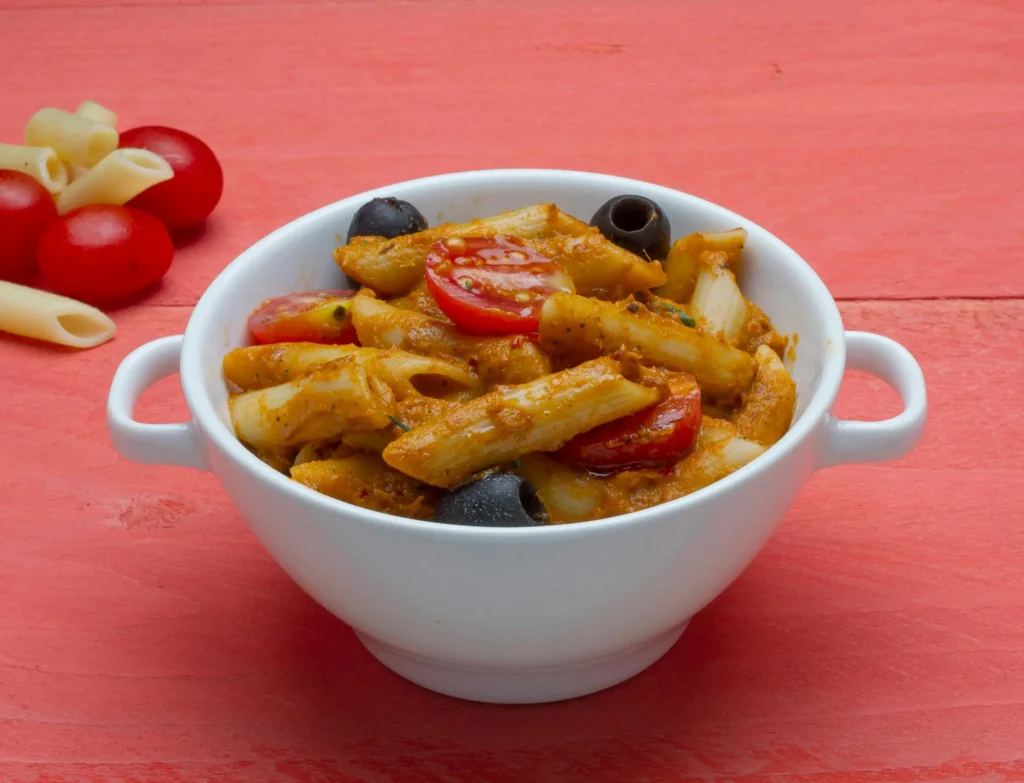
Jerk seasoning isn’t just spicy. It’s deep, layered, aromatic, sweet, smoky, and fiery—all at once. When you incorporate it into pasta, every element gets amplified.
Signature Ingredients in Jerk Seasoning
These are the flavors you’ll find in nearly every traditional jerk blend:
- Allspice: Warm, slightly sweet spices that form the backbone of jerk flavor
- Scotch bonnet peppers: Fruity, intense heat
- Thyme: Earthy, herbal balance
- Garlic & ginger: Punchy aromatics that brighten the entire dish
- Nutmeg and cinnamon: Subtle warmth
- Brown sugar: Rounds the heat with a hint of sweetness
When these ingredients meet heat from the pan, they come alive—especially when paired with protein that caramelizes slightly during cooking.
How These Ingredients Transform Pasta
The magic happens when jerk seasoning meets a creamy base.
The heat cuts through the richness. The spices wrap around the sauce. Every bite feels layered and bold.
The creamy component doesn’t mute the seasoning—it elevates it. And because pasta is naturally neutral, it acts as the perfect canvas for jerk’s big personality.
Jerk Pasta Ingredients (With Table)
Below is a simple ingredient layout you can follow if you want to prepare chicken jerk pasta at home. The table makes it easy to build your shopping list.
Ingredients Table
| Ingredient Category | Items |
|---|---|
| Protein | Sliced chicken breast or thighs |
| Pasta Base | Penne or fettuccine |
| Jerk Seasoning | Allspice, Scotch bonnet, thyme, garlic, ginger |
| Vegetables | Bell peppers, onions, scallions |
| Sauce Base | Heavy cream, Parmesan, butter |
| Optional Add-Ons | Lime juice, fresh herbs, paprika |
Step-By-Step Overview
- Coat your protein in jerk seasoning.
- Sear until slightly charred and fragrant.
- Sauté peppers and onions until softened.
- Pour in cream and stir until thickened.
- Add cheese for creaminess.
- Toss in cooked pasta and combine thoroughly.
- Adjust heat, acidity, and salt before serving.
What Rasta Pasta Really Is
Rasta pasta is a creamy, colorful pasta dish inspired by Jamaican flavors, but it’s generally less spicy than jerk pasta. You’ll notice right away that rasta pasta tends to highlight bell peppers and creaminess more than intense seasoning.
Key markers of rasta pasta:
- Mild to moderate heat
- Bright tri-color bell peppers
- Creamy sauce at the center
- Often includes jerk seasoning, but lightly
- Sometimes linked to dishes inspired by Rastafarian colors—but not strictly a cultural dish
Although both dishes share a few ingredients, their differences become very clear when you taste them side by side.
Jerk Pasta vs Rasta Pasta – Clear Differences
To help you see the contrast clearly, here are the major distinctions:
Flavor Differences
Jerk Pasta:
- Intense, peppery heat
- Smoky undertones
- Darker, more complex seasoning
- Strong aromatic presence
Rasta Pasta:
- Cream-forward
- Mild, warm spices
- Pepper-focused flavor
- Less spicy, easier for sensitive palates
Ingredient Differences (Table)
| Aspect | Jerk Pasta | Rasta Pasta |
|---|---|---|
| Heat Level | High from Scotch bonnet | Mild to medium |
| Seasoning | Full jerk blend | Light seasoning |
| Sauce Texture | Creamy with spice kick | Creamy and smooth |
| Vegetable Focus | Onions + peppers | Tri-color peppers are essential |
| Cultural Influence | Rooted in jerk cooking traditions | Fusion dish inspired by Caribbean flavors |
Technique Differences
- Jerk pasta emphasizes marinated and seared protein.
- Rasta pasta celebrates colorful peppers and a creamy base.
- Jerk pasta leans on spice layering.
- Rasta pasta leans on visual appeal and mild flavor.
Why You’ll Love Making Jerk Pasta
When you bring jerk pasta to your table, you’re offering a dish that surprises people in the best way. The moment the spices hit the sauce, the aroma alone starts conversations.
And if you love flavor-packed meals, this dish brings:
- Comfort
- Warmth
- Heat
- Balance
- A sense of adventure
It also adapts beautifully to whatever protein or vegetables you have on hand.
How You Can Customize Your Jerk Pasta
Personalizing jerk pasta lets you develop your own signature version. Here are some variations worth exploring:
Protein Variations
- Chicken
- Shrimp
- Salmon
- Tofu, chickpeas, or mushrooms
Sauce Variations
- Coconut milk for dairy-free richness
- Cream cheese for thicker texture
- Tomato-cream hybrid for added color
Heat Control Tips
- Reduce Scotch bonnet for milder heat
- Add extra cream to mellow intensity
- Include a touch of brown sugar for balance
Common Mistakes to Avoid When Making Jerk Pasta
Even seasoned cooks slip up sometimes. Here are the pitfalls you’ll want to watch out for:
Technique Mistakes
- Adding jerk seasoning too late (your flavors won’t develop fully)
- Overcooking the pasta
- Rushing the searing step
- Neglecting proper marination time
Flavor Mistakes
- Forgetting acidity—lime juice sharpens the dish
- Using low-quality jerk blends
- Allowing cream to overpower the spices
- Skipping caramelization of vegetables
With a bit of attention, you’ll avoid these problems and end up with a dish that tastes rounded and satisfying.
FAQ – Jerk Pasta
What makes jerk pasta different from rasta pasta?
Jerk pasta is built around bold jerk seasoning, while rasta pasta focuses on creamy sauce and colorful peppers. Jerk pasta is hotter, deeper, and more layered.
Is jerk pasta always extremely spicy?
It depends on how many Scotch bonnets you add. You can easily adjust the heat without losing the authentic flavor.
Can you prepare jerk pasta without dairy?
Absolutely. Coconut milk is the top alternative. It still gives the sauce body while adding a subtle sweetness.
What protein works best in jerk pasta?
Chicken, shrimp, and salmon are popular, but tofu and chickpeas work well for plant-based variations.
Is jerk seasoning the same as Cajun seasoning?
No. Cajun seasoning is savory and earthy, while jerk seasoning is fruity, hot, and aromatic with allspice and Scotch bonnet.
Conclusion
By now, you’ve explored exactly what sets jerk pasta apart—the heat, the depth, and the unforgettable combination of rich sauce and bold spices. You’ve also seen how it differs from rasta pasta, a dish that brings vibrant colors and creaminess but stays gentler on the palate.
When you prepare jerk pasta, you’re not just making a meal. You’re crafting an experience filled with warmth, character, and the unmistakable influence of Jamaican flavor traditions. And the best part? You can personalize every part of it to suit your tastes, your kitchen, and your creativity.
If you’re ready to bring new energy to your meals, try making jerk pasta at home this week. Experiment, taste, adjust, and make it your own. And if you enjoy this kind of bold, soulful cooking, explore more Caribbean-inspired dishes—you’ll discover a whole new world of flavor.
There are no reviews yet. Be the first one to write one.