Classic hawaiian mac salad Recipe Guide
Classic hawaiian mac salad Recipe Guide
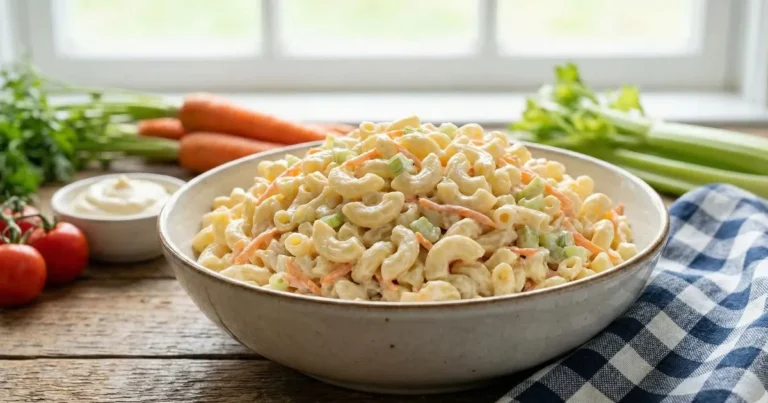
There’s something undeniably comforting about Hawaiian mac salad. It’s the kind of dish that instantly transports you to a sunny island picnic, evokes warm memories of family gatherings, and invites you to slow down and savor simple pleasures. If you’ve ever tasted this creamy, tangy, slightly sweet pasta salad at a luau or potluck, you know exactly what I mean. Now, imagine making that very salad in your own kitchen, impressing friends and family with its authentic flavor and texture. This guide will walk you through everything you need to know to craft the perfect hawaiian mac salad — from its unique roots to step-by-step instructions and delicious variations you can experiment with.
Table of Contents
What Makes Hawaiian Mac Salad Unique?
Before diving into the recipe, it’s worth understanding why Hawaiian mac salad stands apart from your typical pasta salad. This dish carries the heart of Hawaii’s plantation history, born from the lunches packed for hardworking field workers. It’s not just a side; it’s a piece of culture, representing community and island spirit.
Unlike pasta salads that rely on firm, al dente noodles, Hawaiian mac salad embraces overcooked pasta — a choice that might seem odd at first but is key to its signature creamy texture. The soft, almost mushy noodles soak up the tangy mayo-based dressing, creating a harmonious blend of flavors and mouthfeel that is distinctly Hawaiian.
Another hallmark is the balance between creamy, sweet, and tangy elements. Apple cider vinegar, sugar, and mayonnaise work together to create a dressing that’s rich but never heavy, with just enough acidity to keep your taste buds intrigued. This unique balance makes it the perfect companion to savory mains like kalua pork or grilled teriyaki chicken.
Ingredients for the Classic Hawaiian Macaroni Salad
To recreate this dish authentically, you’ll want to gather the right ingredients. Quality matters here, especially the type of mayonnaise and the pasta texture. Below is a helpful table summarizing what you’ll need and why.
Ingredient Overview
| Ingredient | Purpose / Note |
|---|---|
| Elbow macaroni | Cooked extra soft for traditional, creamy texture |
| Mayonnaise (Best Foods or Hellmann’s) | The creamy base that defines the flavor |
| Apple cider vinegar | Adds tang and balances the richness |
| Carrots (grated) | Provides color, crunch, and a hint of sweetness |
| Onion (optional) | Adds subtle depth and mild pungency |
| Sugar | Enhances sweetness to balance acidity |
| Milk | Thins the dressing, making it silky and smooth |
| Salt & pepper | Essential seasonings to elevate all flavors |
Step-by-Step Classic Hawaiian Mac Salad Recipe
Ready to roll up your sleeves? Let’s break down how to create this creamy delight from start to finish.
Ingredients List
| Ingredient | Quantity |
|---|---|
| Elbow macaroni | 1 pound |
| Mayonnaise | 2 cups |
| Milk | ½ cup |
| Apple cider vinegar | 2 tablespoons |
| Sugar | 1–2 tablespoons |
| Carrots (grated) | 2 medium |
| Onion (finely minced, optional) | ¼ cup |
| Salt & pepper | To taste |
Instructions
- Cook the macaroni until very soft. Instead of stopping at al dente, let the pasta cook longer to achieve the soft, almost creamy texture that absorbs the dressing well.
- Drain the pasta and toss immediately with apple cider vinegar while warm. This helps infuse flavor into the noodles.
- Allow the pasta to cool completely. This step prevents the mayonnaise from melting and ensures your salad stays creamy.
- Prepare the dressing by mixing mayonnaise, milk, sugar, salt, and pepper. Whisk until smooth and creamy.
- Add grated carrots and minced onion to the cooled pasta. These add texture, color, and freshness.
- Pour the dressing over the pasta mixture and gently toss to coat evenly.
- Chill the salad for at least 1–2 hours. This helps the flavors meld together and makes the salad taste even better.
Tips for Success
- Always dress the pasta once it has cooled to room temperature.
- Adjust the milk quantity if the salad thickens too much after chilling.
- Keep a bit of dressing aside to refresh the salad before serving if needed.
- The vinegar step is crucial — it gives the salad its signature tang and helps balance the creaminess.
Variations of Hawaiian Mac Salad to Try
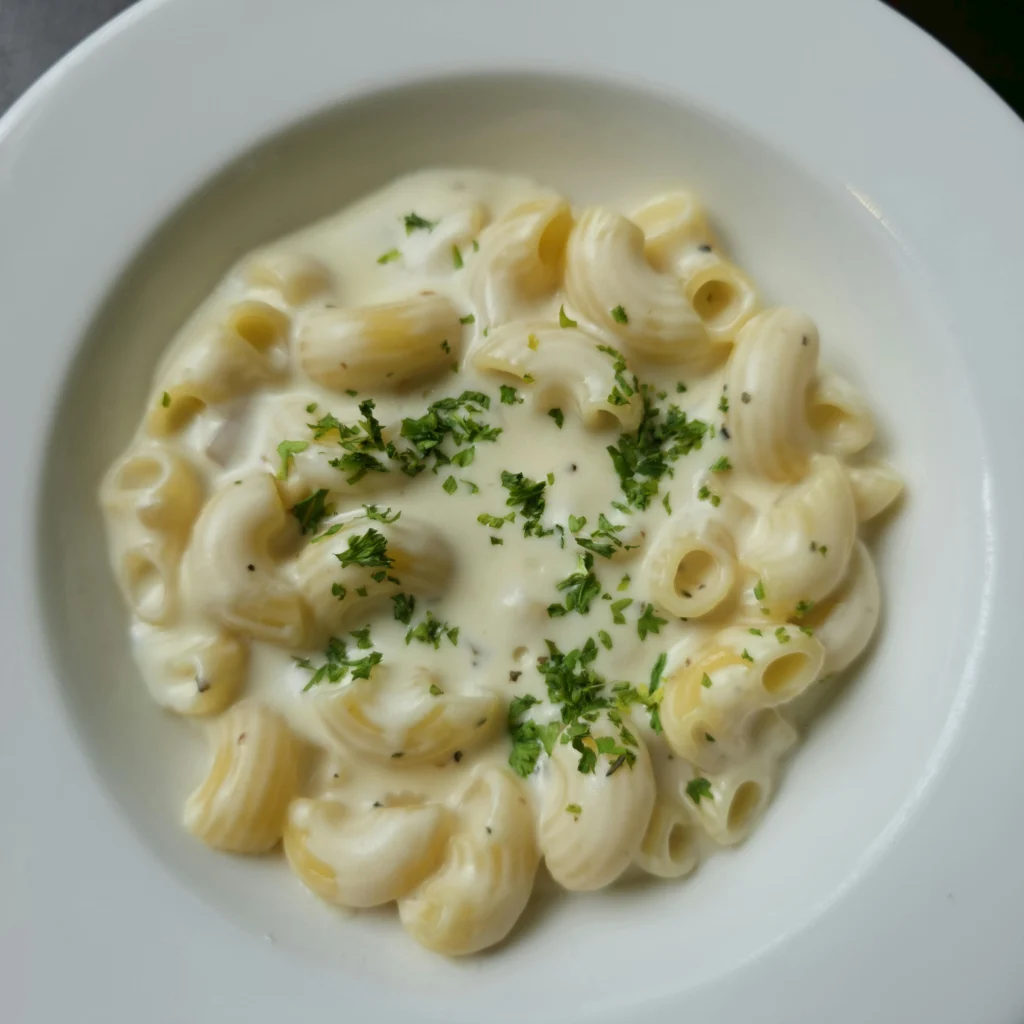
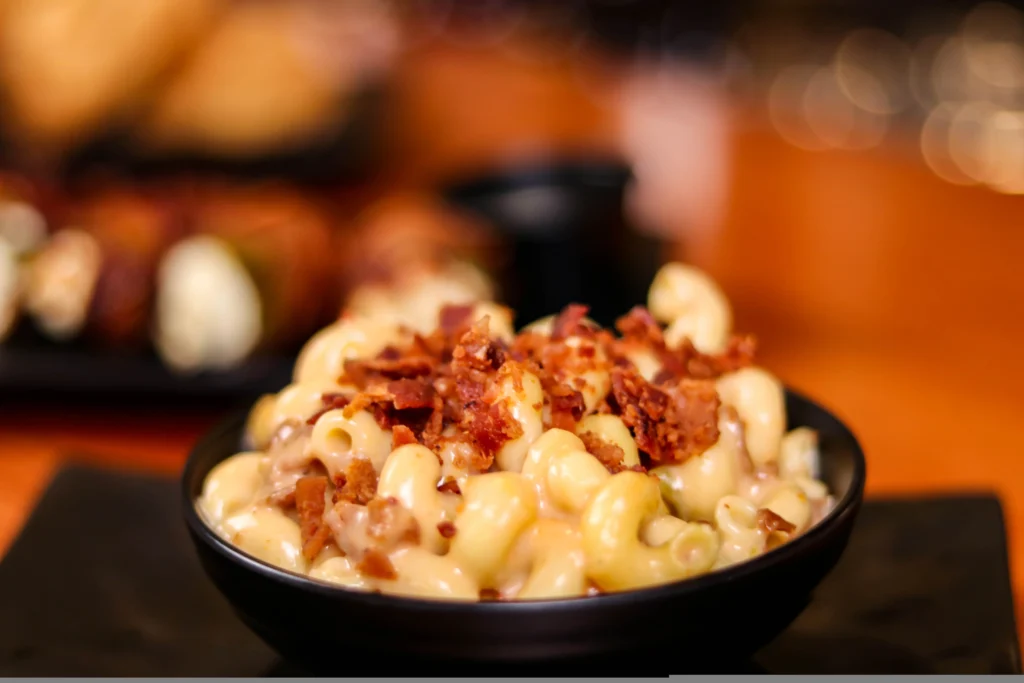
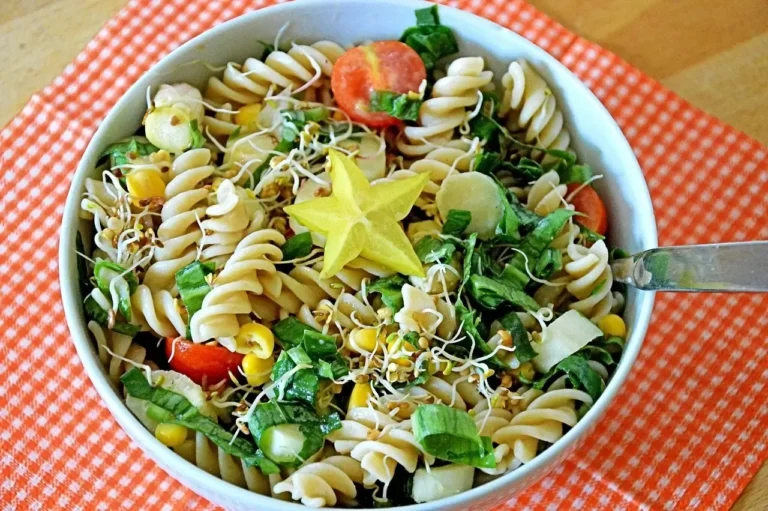
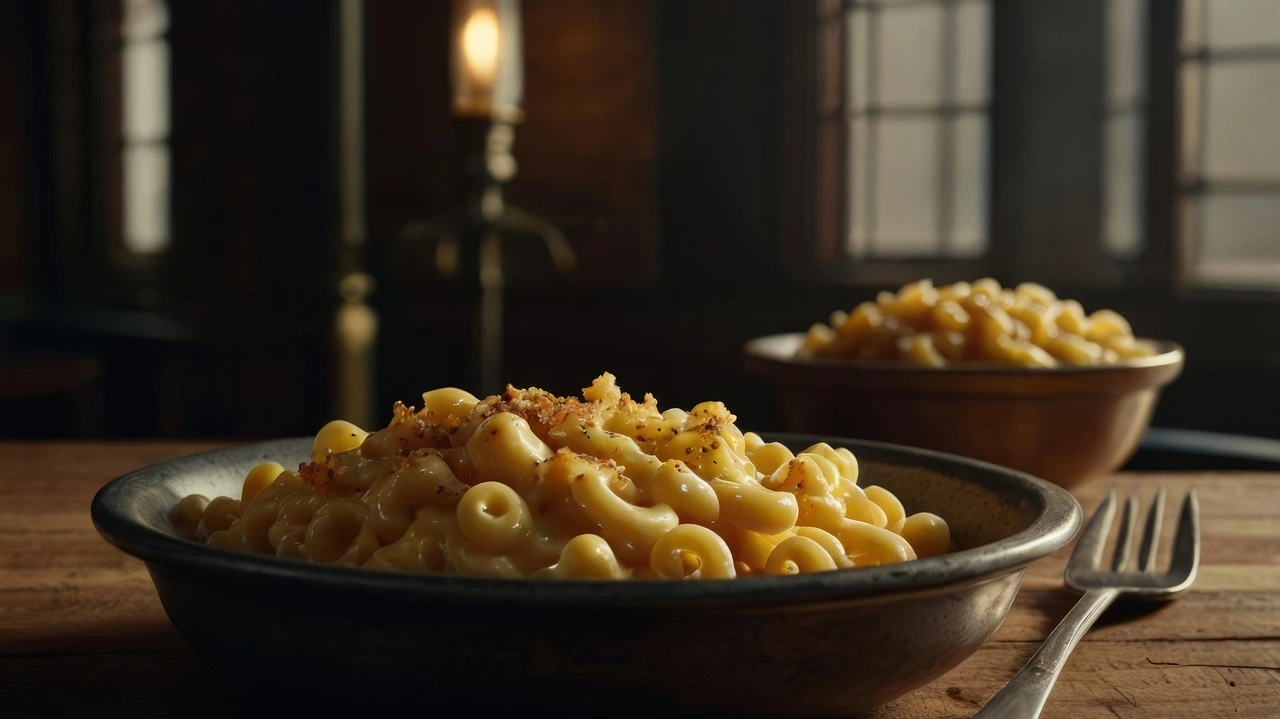
While the classic recipe is a timeless favorite, there’s room to personalize and explore new flavors based on your preferences or dietary needs.
Popular Variations
- Spicy Hawaiian Mac Salad: Add a kick with sriracha sauce or chopped jalapeños.
- Protein-Packed Version: Incorporate diced ham, canned tuna, or shredded chicken to make it more filling.
- Vegetable-Loaded Option: Mix in peas, celery, or green onions for added crunch and nutrients.
- Lightened-Up Version: Substitute some or all mayo with Greek yogurt for a healthier twist.
Optional Add-Ins
- Sweet pineapple chunks add a tropical sweetness that pairs well with the tangy dressing.
- Sweet relish can introduce a subtle burst of flavor.
- Hard-boiled eggs, sliced or chopped, add richness and texture.
Feel free to experiment, but remember that some add-ins will shift the salad away from the classic version.
Serving Suggestions for Hawaiian Mac Salad
Hawaiian mac salad shines best alongside traditional island dishes but pairs wonderfully with many other foods.
Best Pairings
- Kalua pork: The smoky richness complements the creamy salad.
- Grilled teriyaki chicken: Sweet and savory notes balance the salad’s tang.
- Loco moco: A hearty dish where the salad adds refreshing contrast.
- BBQ ribs or fried chicken: The salad cuts through the heaviness with light creaminess.
- Grilled fish: Freshness pairs beautifully with the salad’s texture.
Ideal Occasions
- Summer barbecues and cookouts
- Picnics in the park
- Potluck dinners where sharing dishes is a must
- Holiday family gatherings seeking a taste of aloha
Storage and Make-Ahead Tips
Keeping your Hawaiian mac salad fresh and creamy is straightforward when you follow these guidelines.
Storage Guidelines
- Store in an airtight container in the refrigerator for up to four days.
- Before serving leftovers, stir in a splash of milk or reserved dressing to refresh the texture.
Make-Ahead Tips
- Cook pasta a day in advance and store it in the fridge.
- Prepare the dressing separately to maintain freshness.
- Combine pasta, dressing, and veggies just before serving for optimal texture.
FAQs
Why is Hawaiian mac salad so creamy?
The generous use of mayonnaise combined with milk creates that luscious, creamy texture you love. The soft pasta also absorbs the dressing, intensifying the creaminess.
Can I make Hawaiian mac salad ahead of time?
Absolutely. In fact, chilling the salad for a few hours allows the flavors to meld beautifully. Just be sure to stir well before serving.
Why does Hawaiian mac salad use overcooked pasta?
Overcooked pasta absorbs more dressing, which is essential for the salad’s creamy, comforting mouthfeel. It’s a deliberate choice that sets this salad apart.
How do I keep my Hawaiian mac salad from drying out?
If the salad seems dry after chilling, add a bit more milk or mayonnaise to loosen it up. Stir gently to combine.
Can I freeze Hawaiian mac salad?
Freezing is not recommended. The mayonnaise and milk tend to separate upon freezing, ruining the texture and flavor.
Conclusion
Hawaiian mac salad is more than just a side dish — it’s a celebration of flavors, history, and togetherness. With just a handful of simple ingredients and easy steps, you can bring the spirit of Hawaii right to your table. Whether you stick to the classic recipe or try one of the tasty variations, this creamy, tangy, and slightly sweet salad promises to be a crowd-pleaser at your next meal or gathering.
Now that you have all the tools, ingredients, and insider tips, it’s time to get cooking. Grab your pot, start boiling that macaroni a little longer than usual, and prepare to enjoy the magic of authentic Hawaiian mac salad. Your taste buds — and your guests — will thank you.
There are no reviews yet. Be the first one to write one.