How to Make Classic Pesto Sauce at Home
How to Make Classic Pesto Sauce at Home (A Complete Beginner-Friendly Guide)
There’s something deeply comforting about creating a sauce with your own hands—especially one as aromatic and lively as classic pesto. When you take a handful of basil leaves, breathe in their bright scent, and watch them transform into a vibrant green mixture, you feel that familiar spark: this is what real cooking tastes like. You’re not just making a topping for pasta; you’re crafting a little highlight that can brighten nearly any dish.
If you’ve ever opened a jar from the store and wondered why it lacked depth, or if you’ve longed for a pesto that tastes alive, making it at home will change your view completely. The freshness, the texture, the balance—you control it all. And once you experience that first spoonful of homemade pesto sauce, there’s no going back.
This guide walks you through every step with clarity. From ingredients and tools to troubleshooting, variations, storage, and expert tips—you’ll understand how to make classic pesto sauce at home with confidence and ease.
Table of Contents
What Is Classic Pesto Sauce? Understanding This Timeless Italian Creation
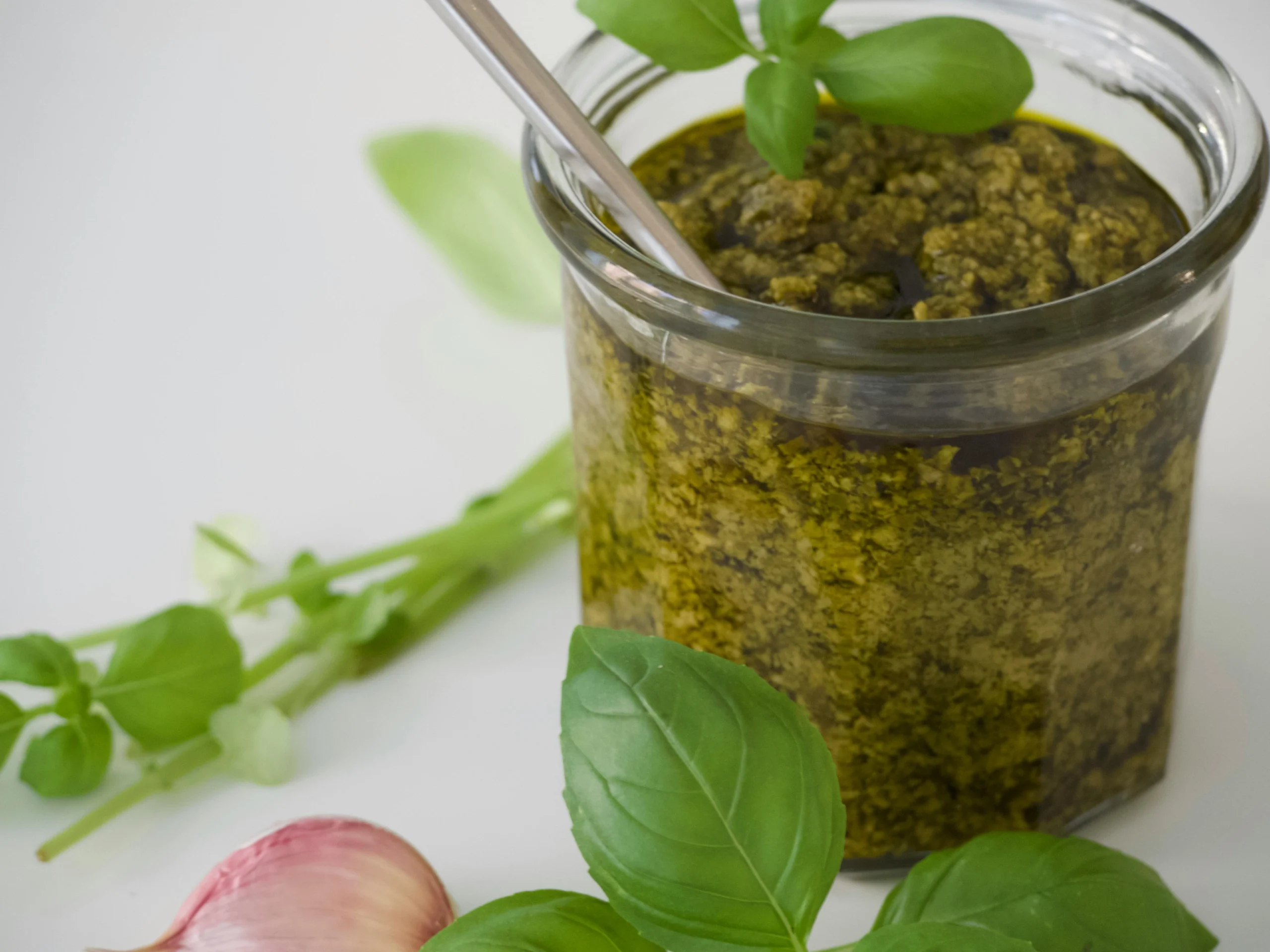
Classic pesto is a raw, herb-based sauce traditionally prepared with basil, garlic, pine nuts, Parmesan cheese, salt, and olive oil. When these simple ingredients come together, they produce an aroma that feels almost like summer captured in a bowl.
You’ll often see pesto paired with pasta, but its uses stretch far beyond that. You can swirl it into soups, slather it inside sandwiches, drizzle it over vegetables, or spoon it onto grilled meats. The versatility is remarkable, and once you make your own batch, you’ll find yourself reaching for it far more than you expect.
Homemade pesto stands out because nothing is processed or muted. You get the real, full flavor—fresh basil notes, the faint sweetness of toasted nuts, and the richness of good olive oil.
Ingredients for Homemade Pesto Sauce
Before you blend anything together, it helps to understand how each ingredient behaves. Even slight adjustments can shift the flavor dramatically.
Essential Fresh Ingredients
You’ll need:
- Fresh basil leaves
- Garlic
- Pine nuts
- Parmesan cheese
- Extra virgin olive oil
- Salt and pepper
Each plays a distinct part—basil provides fragrance, garlic sharpens the flavor, cheese adds saltiness and body, and olive oil smooths everything into a creamy consistency.
Substitution Options
If you don’t have the traditional ingredients, you can improvise without losing quality.
- Pine nuts → walnuts, cashews, almonds
- Parmesan → Pecorino or Grana Padano
- Basil → spinach, parsley, arugula, cilantro
Ingredients Table for Quick Reference
| Ingredient | Quantity | Notes |
|---|---|---|
| Fresh basil leaves | 2 cups (packed) | Bright green, dry leaves |
| Garlic cloves | 2–3 | Adjust based on taste |
| Pine nuts | 1/4 cup | Toast for fuller flavor |
| Parmesan cheese | 1/2 cup | Freshly grated works best |
| Extra virgin olive oil | 1/2 cup | High-quality, smooth |
| Salt | To taste | Begin with a small pinch |
| Black pepper | Optional | Helps deepen flavor |
How to Make Classic Pesto Sauce at Home: Step-by-Step
Creating your pesto doesn’t require complicated tools. Most kitchens have everything needed.
Equipment You’ll Need
- Food processor or mortar and pestle
- Measuring cups
- Spatula
- Airtight container or jar
Once you have everything ready, you can start preparing your pesto.
Step-by-Step Instructions
1. Prepare the Basil
Before doing anything else, rinse your basil gently and pat it completely dry. Moisture can dilute the flavor and make the pesto look muddy. Remove the thick stems for a smoother texture.
2. Toast the Pine Nuts (Optional but Recommended)
Heat a small pan over low heat and toast the nuts for a couple of minutes. They should turn golden, not dark. This step adds depth to your pesto and enhances the nutty aroma.
3. Add Ingredients to the Processor
Place the basil, garlic, pine nuts, and Parmesan into the processor. Pulse in short bursts until everything looks chopped but not fully blended.
4. Add the Olive Oil Slowly
Turn the processor on low and pour the olive oil in gradually. This helps the mixture emulsify into a smooth, creamy sauce. The texture should be lush, not watery.
5. Adjust the Flavor
Taste your pesto and adjust it as needed. More cheese for creaminess, more garlic for punch, more basil for freshness, or a drizzle of oil for a silkier finish.
Texture and Flavor Tips
- A couple of ice cubes blended with the basil can help maintain the bright green color.
- If you want a lighter taste, add a splash of lemon juice.
- For a rustic texture, pulse less. For a smooth result, blend longer.
Variations of Classic Pesto Sauce You Can Try
Once you understand the basic method, you can experiment with other herbs, greens, and flavors. Each variation brings something new to your kitchen.
Popular Variations
- Spinach pesto – milder, softer taste.
- Arugula pesto – peppery and bold.
- Sun-dried tomato pesto – sweet and tangy.
- Vegan pesto – swap cheese for nutritional yeast.
Nut-Free Options
If you need a nut-free version, you can skip them entirely or use seeds like:
- Sunflower seeds
- Hemp seeds
- Pumpkin seeds
These alternatives produce a slightly different flavor but an equally enjoyable texture.
Best Ways to Use Homemade Pesto Sauce
Homemade pesto isn’t just for pasta. You can use it creatively throughout your meals.
Perfect Pairings With Pasta
For creamy results, save a small amount of hot pasta water and mix it with your pesto. This binds everything together beautifully.
Protein Ideas
You can use pesto as a marinade or topping for:
- Chicken breasts or thighs
- Shrimp
- Salmon
- Turkey cutlets
The herb richness pairs well with both delicate and bold proteins.
Side Dishes & Snacks
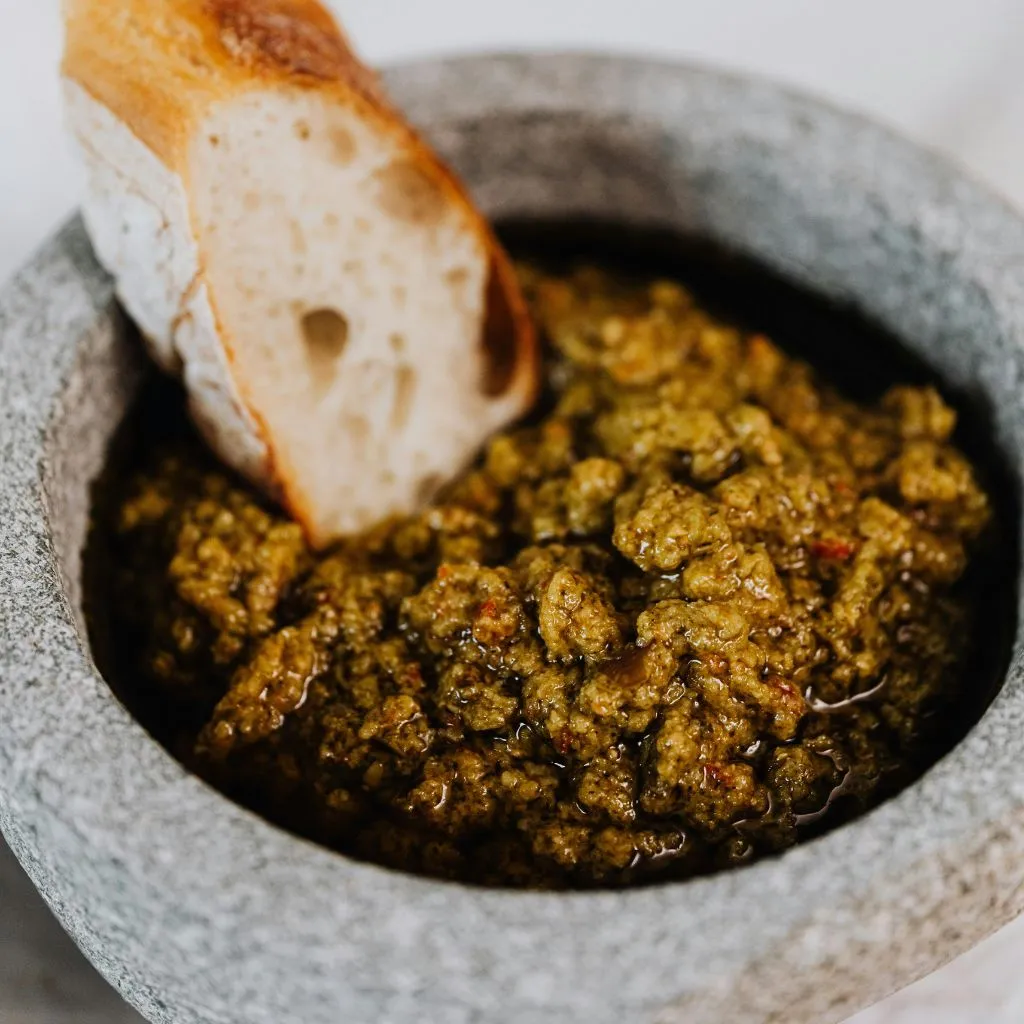
- Spread it on warm toasted bread
- Drizzle it over roasted vegetables
- Use it as a dip for crispy potatoes
Quick Recipes Using Pesto
- Pesto chicken sandwiches
- Pesto scrambled eggs
- Pesto breakfast wraps
- Pesto pizza topped with mozzarella
How to Store Homemade Pesto Sauce Properly
To keep your pesto fresh and vibrant, proper storage is essential.
Refrigeration
If you’re using it within a week, store it in a small jar. Press a thin layer of olive oil on the surface to prevent browning and seal it tightly. It should stay good for 5–7 days.
Freezing
If you want to save portions for later, freeze your pesto in small cubes. Ice cube trays work perfectly for this. Once frozen, transfer the cubes to a freezer bag. Frozen pesto keeps well for up to 3 months.
Preventing Browning
To help preserve the color:
- Use lemon juice
- Store in airtight containers
- Cover with olive oil
- Avoid exposing it to air for long periods
Common Mistakes to Avoid When Making Pesto Sauce
You can avoid common frustrations by knowing what often goes wrong.
Mistakes You Should Watch Out For
- Over-blending causes heat, which darkens the basil.
- Using low-quality olive oil changes the flavor.
- Too much garlic can overpower everything.
- Forgetting to dry basil leaves can result in a watery sauce.
- Adding too much cheese early can make it too thick to blend.
Quick Fixes
If your pesto tastes too salty, add more basil or nuts.
If it feels too bitter, add a pinch of sugar or more cheese.
If the texture looks thin, blend in a handful of nuts or Parmesan.
Conclusion
When you prepare classic pesto sauce at home, you’re doing more than following a recipe. You’re rediscovering the simple joy of fresh, real ingredients—blended into something bright, flavorful, and endlessly versatile. You’ll find that once you’ve made your own pesto, you’ll never look at the store-bought version the same way again.
Stir it into warm noodles, spread it inside sandwiches, spoon it over roasted veggies, or pair it with cooked meats—the options keep expanding once you start experimenting. Explore different ingredient twists and discover the flavors that match your style. With only a handful of basics and a few minutes of work, you can craft a vibrant sauce that gives everyday dishes a memorable touch.
And now that you know exactly how to do it, why not grab your basil and give it a try today?
FAQ About Pesto Sauce
What’s the easiest way to make pesto sauce at home?
Blend basil, pine nuts, garlic, cheese, and olive oil until smooth. Add the oil slowly for the best texture.
Why does homemade pesto turn brown?
Basil oxidizes when exposed to air. Cover the surface with olive oil or add a hint of lemon juice to keep the green color bright.
Can you freeze pesto sauce?
Yes. Freeze it in small portions so you can thaw only what you need.
Is pesto sauce healthy?
It contains healthy fats, antioxidants, and fresh herbs. When eaten in moderate amounts, it’s a nourishing addition to many meals.
Can pesto be made without nuts?
Absolutely. Replace nuts with seeds or skip them for a lighter variation.
There are no reviews yet. Be the first one to write one.