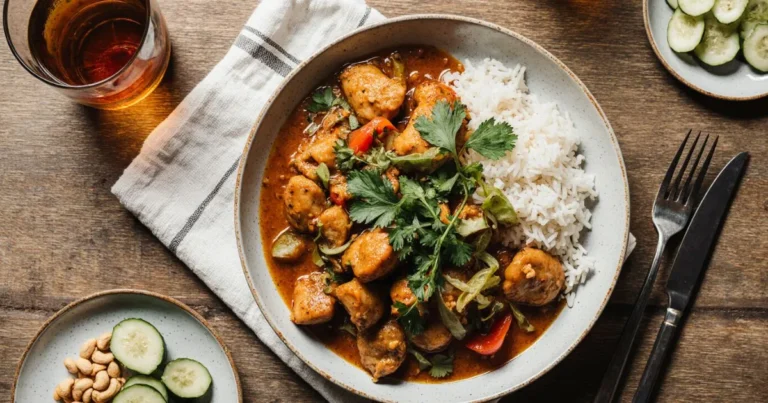

What Is Stir Fry Sauce? Ingredients, Uses, and Variations
What Is Stir Fry Sauce? Unlock the Secret to Restaurant-Quality Asian Meals at Home
Picture this: You’re rushing through a hectic evening, craving that glossy, savory stir fry sauce from your go-to takeout joint—the kind that wraps every crisp vegetable and juicy protein in a flavor hug. You’ve tried recreating it at home, only to end up with watery disappointment. Sound familiar? That moment hit me hard too, turning weeknight cooking into a drag. But here’s the good news: Mastering stir fry sauce puts you in control. You can whip up restaurant-level dishes in minutes, saving cash and ditching delivery regrets. In this guide, you’ll discover exactly what stir fry sauce is, its key ingredients, smart uses, and tweaks to match your taste. Get ready to transform your kitchen into a flavor powerhouse.
Table of Contents
What Is Stir Fry Sauce? A Quick Definition and History
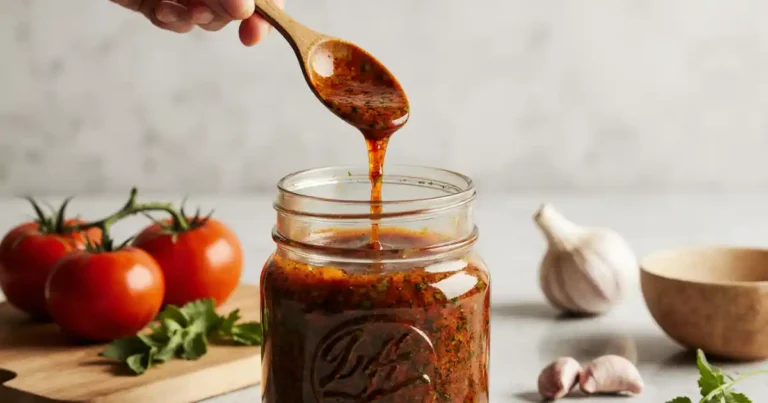
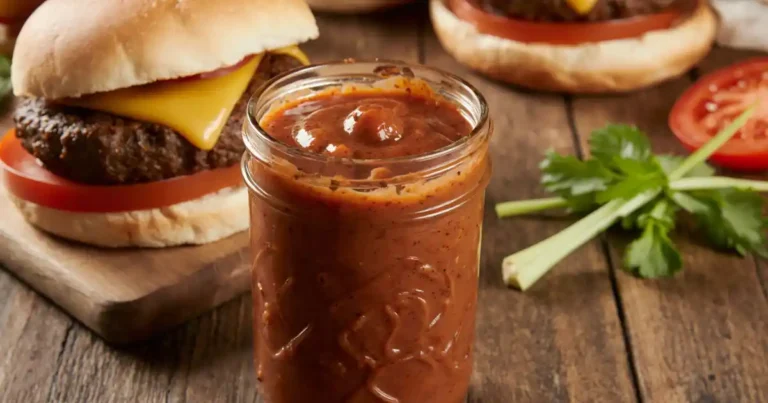
You might wonder, what is stir fry sauce exactly? At its heart, this glaze is your shortcut to bold, balanced flavors in fast wok cooking. Think of stir fry sauce as a glossy blend that coats ingredients perfectly, mixing sweet notes, salty depth, tangy zing, and that irresistible umami punch. Unlike basic soy sauce drizzles, it thickens up to cling without sogginess, making every bite pop..
Core Characteristics of Stir Fry Sauce
- Glossy texture: Cornstarch creates that silky sheen you see in pro kitchens.
- Flavor harmony: Sweet from sugars, salty via soy, acid from vinegar, and umami from fermented elements.
- Speed and storage: You mix it in five minutes; it lasts 1-2 weeks in your fridge.
This magic traces back to ancient Chinese wok techniques called wok hei, where high heat seals in smoke-kissed taste. Cantonese roots evolved it, but 20th-century waves of Asian immigrants spread it worldwide. Fusion twists from Thai and Indonesian cuisines added spice and sweetness. Today, Google Trends shows stir fry sauce searches spiking 25% since 2020, as you and millions turn to quick home Asian meals amid busy lives (USDA data backs the home-cooking boom). Knowing this empowers you to skip store-bought versions loaded with preservatives.
A Brief History of Stir Fry Sauce
From street vendors in Guangzhou to your skillet, stir fry sauce embodies quick, resourceful cooking. Modern bottles like Kikkoman popularized it, but homemade lets you dial in freshness.
Essential Ingredients in Stir Fry Sauce
Building your own stir fry sauce starts with pantry heroes you likely have—or can grab easily. These eight staples create the foundation, with swaps for diets like vegan or low-sodium. J. Kenji López-Alt’s “The Food Lab” nails the ratios: Aim for 2:1 salty-to-sweet for balance that coats without overwhelming.
Core Ingredients Table
| Ingredient | Role in Stir Fry Sauce | Quantity (for 1 cup batch) | Substitutions |
|---|---|---|---|
| Soy Sauce | Salty, umami base | ½ cup | Tamari (gluten-free) |
| Oyster Sauce | Deep savory richness | ¼ cup | Mushroom sauce (vegan) |
| Hoisin Sauce | Sweet, fermented depth | 2 tbsp | Plum sauce |
| Rice Vinegar | Tangy brightness | 2 tbsp | Apple cider vinegar |
| Sesame Oil | Nutty aroma | 1 tbsp | Neutral oil + sesame seeds |
| Cornstarch | Thickener for glossy texture | 1 tbsp | Arrowroot powder |
| Brown Sugar | Balances acidity | 2 tbsp | Honey or maple syrup |
| Garlic & Ginger | Fresh aromatic punch | 2 cloves + 1 tsp grated | Powdered (1:1 ratio) |
Pro Tips for Sourcing Ingredients
- Opt for low-sodium soy to keep salt in check—your blood pressure thanks you.
- Fresh ginger packs 10x the potency of powder, per Serious Eats blind tests.
- Stock Asian markets for authentic oyster sauce; it elevates everything.
With these, you’re set to craft stir fry sauce that tastes alive, not shelf-stable.
How to Make Homemade Stir Fry Sauce: Step-by-Step Recipe
Why settle for bottled when you can stir up stir fry sauce in under 10 minutes? This foolproof recipe yields one cup, perfect for 4-6 servings. At ~20 calories per tablespoon, it’s lighter than takeout glazes. Allrecipes users rate similar versions 4.8/5 from over 2,000 reviews—proof it delivers.
Basic Sauce Recipe
- In a bowl, whisk together ½ cup soy sauce, ¼ cup oyster sauce, 2 tbsp hoisin, 2 tbsp rice vinegar, 2 tbsp brown sugar, 2 minced garlic cloves, and 1 tsp grated ginger until smooth.
- Stir 1 tbsp cornstarch into 2 tbsp cold water to form a slurry—no lumps!
- Pour into a saucepan over medium heat. Simmer 2-3 minutes, stirring until it thickens like warm honey.
- Off heat, mix in 1 tbsp sesame oil for that nutty finish. Cool and store.
Storage and Shelf Life
- Fridge: Up to 2 weeks in a jar—shake before use.
- Freezer: Pour into ice cube trays for 3-month portions; pop one out per stir-fry.
Taste as you go; your first batch hooks you for life.
Common Uses for This Sauce in Everyday Cooking
Stir fry sauce shines beyond basic veggie tosses. It slashes prep time by 50%, turning staples into meals. Pinterest logs a 300% jump in “easy stir fry” ideas, showing you’re not alone in loving this hack.
Top Uses for Stir Fry Sauce
- Veggie stir-fry: Toss broccoli, bell peppers, and tofu—ready in 7 minutes.
- Protein power: Marinate chicken or beef 30 minutes, then wok with snap peas.
- Noodle bowls: Lo mein or chow mein gets instant gloss and depth.
- Fried rice upgrade: Drizzle over day-old rice with eggs and shrimp.
- Dumpling dip: Thin with water for perfect balance.
- Grill glaze: Brush on salmon or pork for caramelized edges.
- Soup booster: Stir a spoonful into broth for umami kick.
These keep your rotations fresh and family happy.
Stir Fry Sauce Variations to Suit Every Taste and Diet
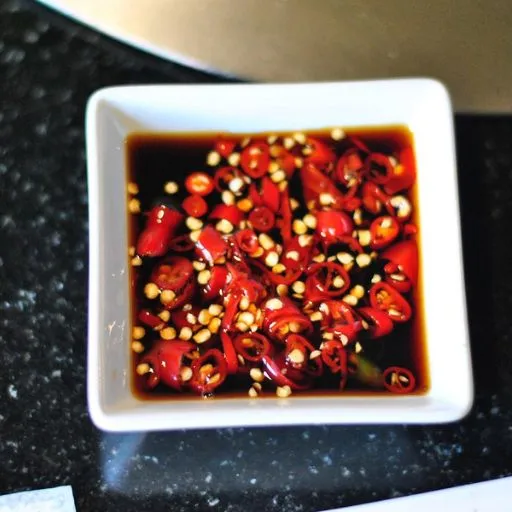
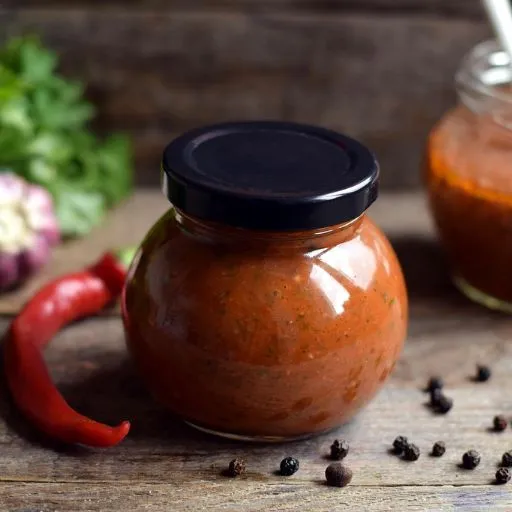
One stir fry sauce fits all? Not quite. Tweak for heat, health, or heritage—Andrea Nguyen’s “Asian Dumplings” inspires these authentic spins.
Popular Sauce Variations
Spicy Szechuan Version
| Tweak | Ingredient Add |
|---|---|
| Heat | 1 tsp chili oil |
| Numb-tingly | ½ tsp Sichuan peppercorns |
Whisk into base recipe for fiery noodles.
- Thai Sweet Chili: Swap vinegar for pineapple juice; add 1 tbsp fish sauce (or soy for vegan).
- Keto Low-Carb: Ditch sugar for erythritol; use xanthan gum (⅛ tsp) instead of cornstarch.
- Vegan Glow-Up: All-mushroom base, no oyster sauce—pairs with tempeh.
- Teriyaki Twist: Extra hoisin + mirin for glossy wings.
Experiment; your kitchen, your rules.
Conclusion
You’ve now got the full scoop on what stir fry sauce is and how to make it yours—from ingredients and recipes to uses and variations that fit your life. No more takeout dependency; just quick, joyful meals that wow. Grab those bottles from your pantry, mix a batch today, and fire up the wok. Your taste buds (and wallet) will thank you. What’s the first dish you’ll try with your homemade stir fry sauce? Drop it in the comments below—we’d love to hear and share tips!
FAQ:
What is takeout glaze?
Stir fry sauce is a versatile blend of soy, oyster sauce, and sweeteners that gives wok dishes their signature glossy coat and balanced taste.
What else for wok dishes?
Core elements include soy sauce, oyster sauce, hoisin, rice vinegar, brown sugar, garlic, ginger, sesame oil, and cornstarch—check the table above for exact amounts.
Can I buy veggie glaze or make your own?
Both work, but homemade stir fry sauce tastes fresher without additives. Grab Kikkoman or Lee Kum Kee if short on time.
How long does noodle coating last?
Refrigerate for 2 weeks or freeze in cubes for 3 months—perfect for busy weeks.
Is protein glaze gluten-free?
Yes, with tamari instead of soy and label-checked sauces.
What can I use rice wok mix for besides stir-fries?
Noodles, rice, marinades, dips, or glazes—endless options.
Best wok glaze variation for beginners?
Stick to The classic wok recipe; it’s forgiving and delicious.
Does stir fry sauce work in air fryers?
Absolutely—toss coated veggies or meat for crispy results without oil splatter.
There are no reviews yet. Be the first one to write one.