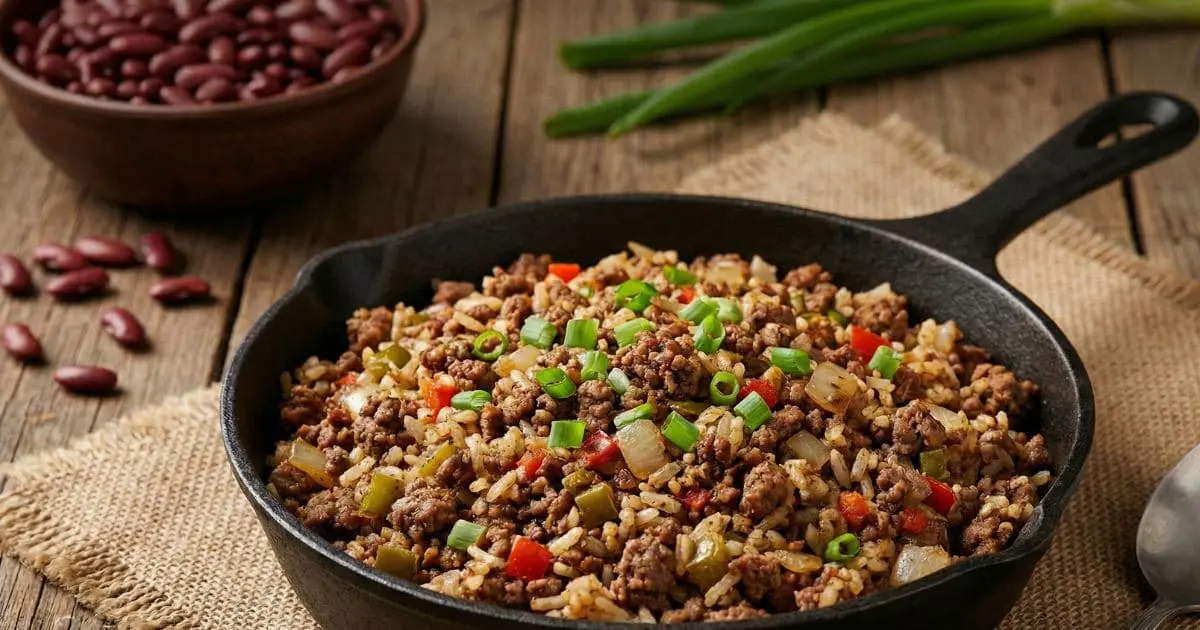
Discover how to make dirty rice step-by-step for authentic flavor.
How to Make Dirty Rice: Step-by-Step Recipe for Authentic Cajun Flavor
Why Dirty Rice Feels Like Home
Picture this: You’re standing in a steamy Louisiana kitchen, the air thick with the sizzle of sausage and the sharp tang of chopped bell peppers hitting hot oil. That first whiff of browning livers pulls you back to family tables laden with heaping bowls of dirty rice—grains stained deep brown, flecked with green onions, and bursting with smoky heat. Maybe it’s not your memory, but it could be. If you’ve ever chased that soul-stirring comfort food that turns a simple side into the star of the meal, you’re in the right place.
Learning how to make dirty rice isn’t just about following steps; it’s about claiming a slice of Cajun heritage for your own table. This one-pot wonder, born from rice fields and resourceful cooks, delivers bold flavors without fuss. You’ll end up with a dish that serves 6-8, perfect for weeknight dinners or potlucks where you want to wow the crowd. No need for special tools—just your skillet and a craving for authenticity. Stick with me, and by the end, you’ll have the know-how to nail it every time, from the “holy trinity” veggies to that perfect spicy kick.
Dirty rice traces its roots to Louisiana’s Creole and Cajun traditions, where cooks transformed scraps like chicken gizzards into gold (as noted by the Southern Foodways Alliance). It’s more than rice dressing—it’s a testament to flavor from humble beginnings. Ready to dive in? Let’s uncover its story before you roll up your sleeves.
Table of Contents
What Is Dirty Rice? A Quick History of This Cajun Classic
Origins in Louisiana’s One-Pot Tradition
You might wonder what sets dirty rice apart from your everyday pilaf. At its core, dirty rice gets its name from the “dirty” brown tint that comes when you cook ground meats and organ bits right into the rice, turning plain grains into something richly savory. Unlike jambalaya, which often leans on tomatoes for a reddish hue, this dish keeps things straightforward—no stewed fruits, just pure, meaty depth.
Head back to the 18th century, and you’ll find its beginnings in Louisiana’s vast rice paddies. Enslaved workers and rural families stretched meals by mixing leftover chicken livers, gizzards, and pork scraps with rice, creating a filling dish that fed crowds (Southern Foodways Alliance archives highlight this ingenuity). By the post-WWII era, it exploded in popularity, becoming a Mardi Gras must-have and holiday staple across the South.
You’ve got two main styles to play with: Cajun dirty rice packs punch with spicy Andouille sausage and cayenne, while the Creole version softens things up with shrimp or milder seasonings. Both share the “holy trinity”—onions, celery, and bell peppers—that forms the flavor backbone of so much Southern cooking. Fun fact: Today, it’s a festival favorite, with over 1 million pounds served annually at events like New Orleans’ Jazz Fest (per local tourism data).
Why does this matter for you? Understanding the roots helps you tweak the recipe to match your taste—spicier for game nights, milder for kids. Now that you know the backstory, let’s stock your pantry for the real deal.
Ingredients for Authentic Dirty Rice Recipe
Pulling together the fixings for how to make dirty rice keeps things simple—you likely have most on hand already. This lineup yields bold, balanced taste with that signature earthiness from livers. Aim for fresh produce and quality sausage to elevate your batch.
Here’s your shopping list in a handy table for quick reference:
| Ingredient | Quantity | Notes |
|---|---|---|
| Long-grain white rice | 2 cups (uncooked) | Go for brands like Uncle Ben’s; it stays fluffy and soaks up flavors |
| Chicken livers & gizzards | 1 lb (chopped fine) | The “dirt” makers; rinse well. Swap for ground pork if offal’s new to you |
| Ground spicy Andouille sausage | ½ lb | Smoky Cajun hero (Zatarain’s guide calls it essential for authenticity) |
| Bell pepper (green) | 1 large, diced | Crunch and mild sweetness from the holy trinity |
| Yellow onion | 1 medium, diced | Builds the savory base |
| Celery stalks | 2 ribs, diced | Adds subtle freshness |
| Garlic cloves | 4, minced | Fresh for punchy aroma |
| Chicken broth | 4 cups (low-sodium) | Controls salt; homemade if you’ve got time |
| Cajun seasoning | 2 tbsp | Mix paprika, cayenne, thyme, oregano—or grab Tony Chachere’s |
| Green onions | ½ cup, sliced | Bright finish |
| Fresh parsley | ½ cup, chopped | Herbal lift |
| Salt, black pepper, hot sauce | To taste | Crystal Hot Sauce for that Louisiana zip |
Per serving (about 1 cup), expect around 350 calories, 20g protein, and 15g fat—solid fuel with nutrients from the veggies and iron-rich livers (USDA nutrient database). Shopping pro tip: Hit ethnic markets for affordable Andouille. Dietary swaps? Use veggie broth and mushrooms for a meat-free take that still delivers umami.
With ingredients lined up, you’re set to cook. Let’s break it down step by step.
Step-by-Step: How to Make Dirty Rice at Home
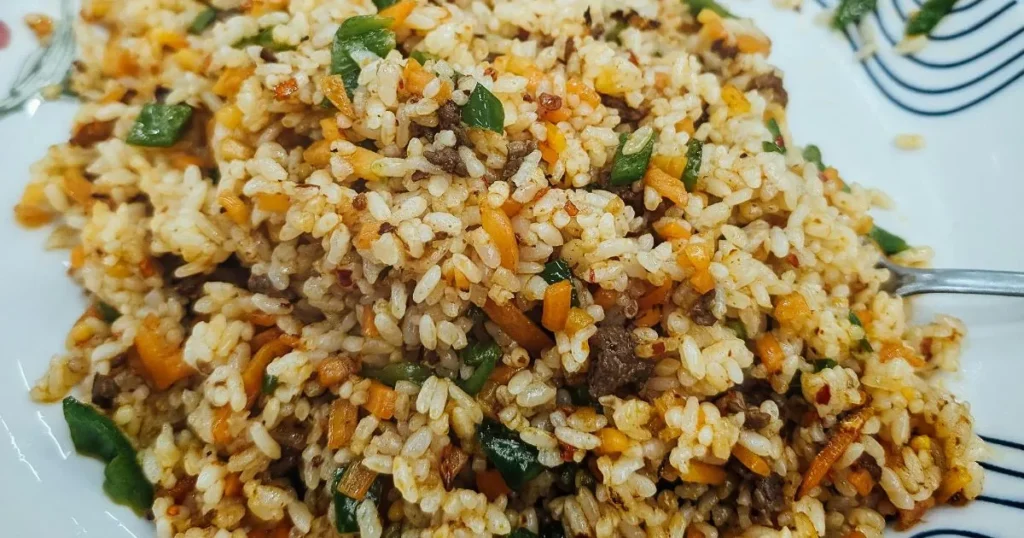
Prep Time: 15 mins | Cook Time: 45 mins | Total: 1 hour
Grab a large skillet or Dutch oven—cast iron shines here for even heat. You’ll cook the rice separately first, then fold it into the meaty magic. Follow these numbered steps, and you’ll master how to make dirty rice like a bayou pro.
- Rinse and cook your rice base: Measure 2 cups long-grain rice into a pot. Rinse under cold water until clear to ditch excess starch—this keeps grains separate. Add 4 cups chicken broth, bring to a boil, then simmer covered for 18-20 minutes until tender. Fluff with a fork and set aside. (Pro move: Cook it slightly underdone; it’ll finish in the skillet.)
- Brown the meats for that dirty hue: Heat 2 tbsp oil in your skillet over medium-high. Crumble in ½ lb Andouille sausage and 1 lb chopped livers/gizzards. Stir for 5-7 minutes until browned and crumbly, breaking up clumps. The pan will speckle with tasty bits—don’t wipe them away. Drain excess fat if it pools, leaving about 2 tbsp for flavor.
- Sauté the holy trinity: Toss in diced onion, bell pepper, celery, and minced garlic. Lower heat to medium and cook 5 minutes, stirring often, until veggies soften and release their juices. The kitchen will smell like heaven—sweet peppers mingling with garlicky sharpness.
- Season and simmer everything together: Sprinkle in 2 tbsp Cajun seasoning, plus salt and pepper. Stir 1 minute to wake the spices. Dump in your cooked rice, mixing thoroughly to coat every grain. Add a splash of broth if it looks dry. Cover and simmer low for 10-15 minutes, scraping the pan bottom to incorporate those browned flavors. Taste and adjust with hot sauce.
- Fold in the fresh finishers: Stir through sliced green onions and chopped parsley. Turn off heat, cover, and let it rest 5 minutes. This melds tastes without overcooking the herbs.
- Serve it steaming: Spoon into bowls, drizzle with extra hot sauce, and pair with fried chicken, collards, or cornbread. Leftovers? They’ll taste even better tomorrow.
Stuck on texture? If rice turns mushy, blame overcooked grains—next time, parboil. Too dry? More broth during simmer. Emeril Lagasse swears by this method in his “Louisiana Real & Rustic” cookbook for spot-on results.
Expert Tips for Perfect Dirty Rice Every Time
You want your dirty rice to steal the show, right? These battle-tested pointers ensure success, drawn from home cooks and pros alike.
- Choose the right pan: Cast iron or heavy-bottomed skillets promote even browning via the Maillard reaction, locking in deeper flavors (Serious Eats breaks down the science).
- Dial the heat: Start your Cajun seasoning mild, then amp with cayenne (30,000-50,000 Scoville units for fire lovers). Taste as you go.
- Make it ahead: Cooks up to 3 days in the fridge or freezes for 3 months. Thaw and reheat with a broth splash to revive moisture.
- Storage smarts: USDA says keep it at 40°F or below; reheat to 165°F for safety.
Craving twists? Check this variation table to customize:
| Variation | Key Swap | Flavor Twist |
|---|---|---|
| Seafood Dirty Rice | Shrimp for half the livers | Briny, Gulf-fresh vibe |
| Vegetarian Delight | Mushrooms & lentils | Meaty chew without the meat |
| Extra Spicy | Habaneros + extra cayenne | Bold heat for thrill-seekers |
These tweaks keep things fresh while staying true to the roots.
Conclusion: Savor the Soul of the South
There you have it—your blueprint for how to make dirty rice that captures authentic Cajun soul in every bite. From browning those meats to letting flavors rest, you’ve turned scraps into a masterpiece that feeds body and spirit. Fire up your stove this weekend, serve it family-style, and watch the compliments roll in.
Call to action: Whip up this recipe tonight and snap a pic of your “dirty” masterpiece—share it in the comments below with your tweaks! Craving more Southern heat? Check our gumbo guide next. What’s your go-to side?
Frequently Asked Questions About How to Make Dirty Rice
What is the best rice for how to make dirty rice?
Long-grain white rice rules here—it absorbs seasonings without getting gummy. Avoid short-grain, which clumps (Rice Association recommends it for Southern dishes).
Can I make dirty rice in a rice cooker?
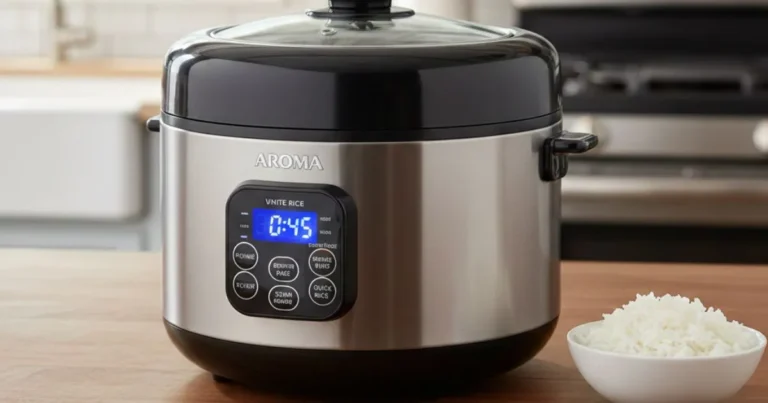
Absolutely. Brown meats and veggies on the stove first, then dump into the cooker with rice, broth, and spices. Hit “cook” and let it do the work—stir before serving.
How to make dirty rice vegetarian?
Ditch the meats for portobello mushrooms, lentils, or walnuts, simmered in veggie broth. The “dirt” comes from soy sauce or nutritional yeast for umami punch.
Why is it called dirty rice?
That brown “dirt” stains from crumbled livers, sausage, and pan bits mixed into the rice—pure genius from Louisiana’s thrifty cooks.
How long does dirty rice last in the fridge?
Store airtight for 3-4 days. Reheat thoroughly to 165°F internal temp (USDA food safety guidelines) to keep it safe and tasty.
There are no reviews yet. Be the first one to write one.