Easy Pasta Pesto Guide for Beginners
Easy Pasta Pesto Guide for Beginners
Welcome to our guide on making delicious pasta pesto for beginners. We’ll show you how to create tasty dishes with a classic Italian sauce.
You’ll learn about the key ingredients and how to make pesto pasta step by step. This guide is for anyone who wants to improve their cooking skills. It will help you make a dish that’s both tasty and fulfilling.
Table of Contents
Key Takeaways
- Learn the basic ingredients needed for pasta pesto.
- Understand the step-by-step process of making pesto sauce.
- Discover tips for customizing your pasta pesto dish.
- Explore variations of pasta pesto for different tastes.
- Master the art of cooking pasta to perfection.
Understanding the Basics of Pesto Sauce
Pesto comes from the Liguria region in Italy. It’s a sauce made from basil, garlic, and olive oil. This sauce is loved worldwide for its rich taste and how it can be used in many dishes.
What Is Pesto Sauce?
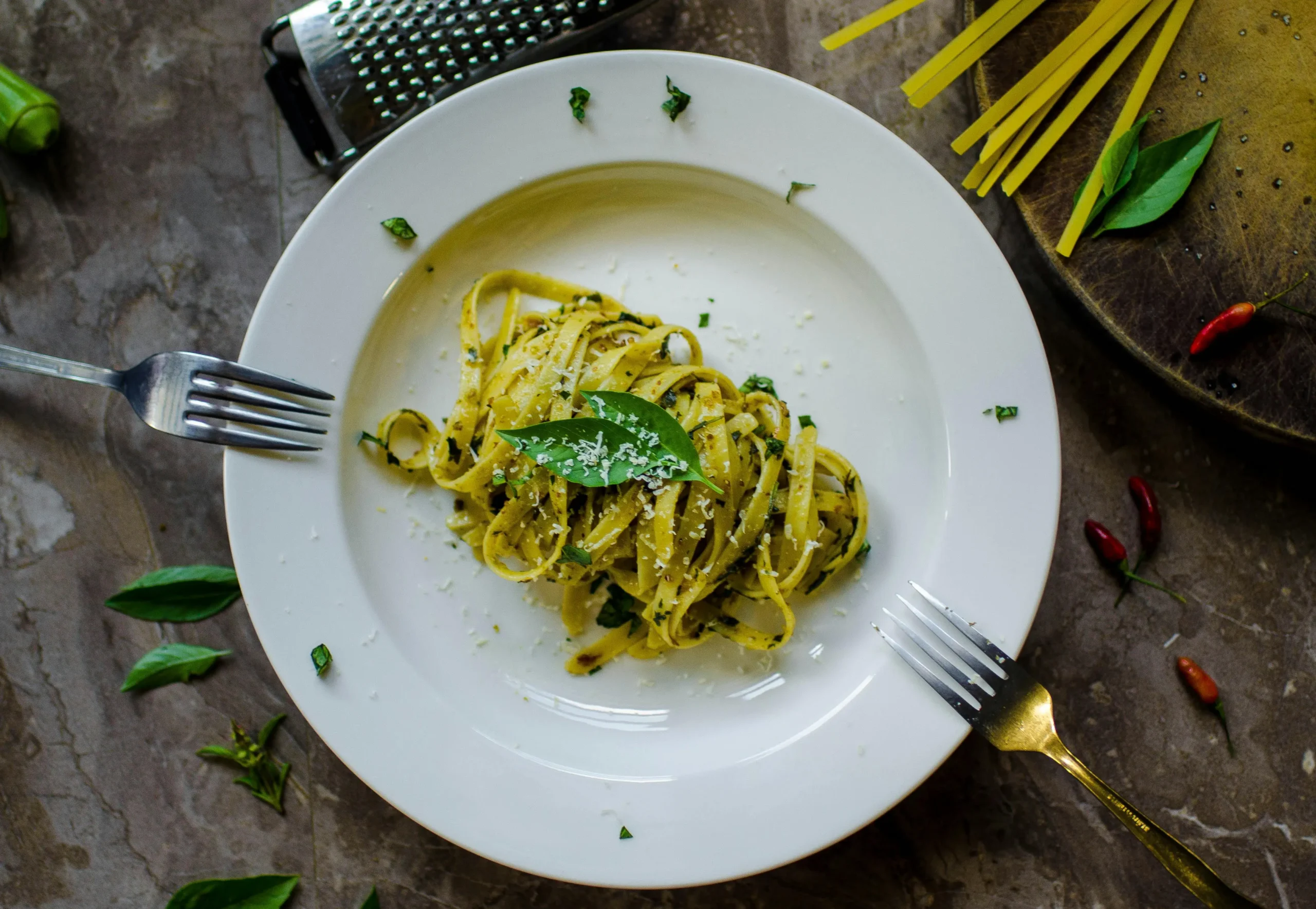
Pesto sauce is mainly basil, garlic, pine nuts, Parmesan cheese, and olive oil. These ingredients are mixed to make a smooth, green sauce. The quality of these ingredients is key to its taste, so using fresh and high-quality ones is important.
Traditional vs. Modern Pesto Variations
Traditional pesto uses basil, but modern versions include other ingredients like:
- Spinach
- Kale
- Sun-dried tomatoes
- Different types of nuts or cheese
These changes let people get creative and adapt to what they like or what they have on hand.
Why Pesto Has Become a Kitchen Staple
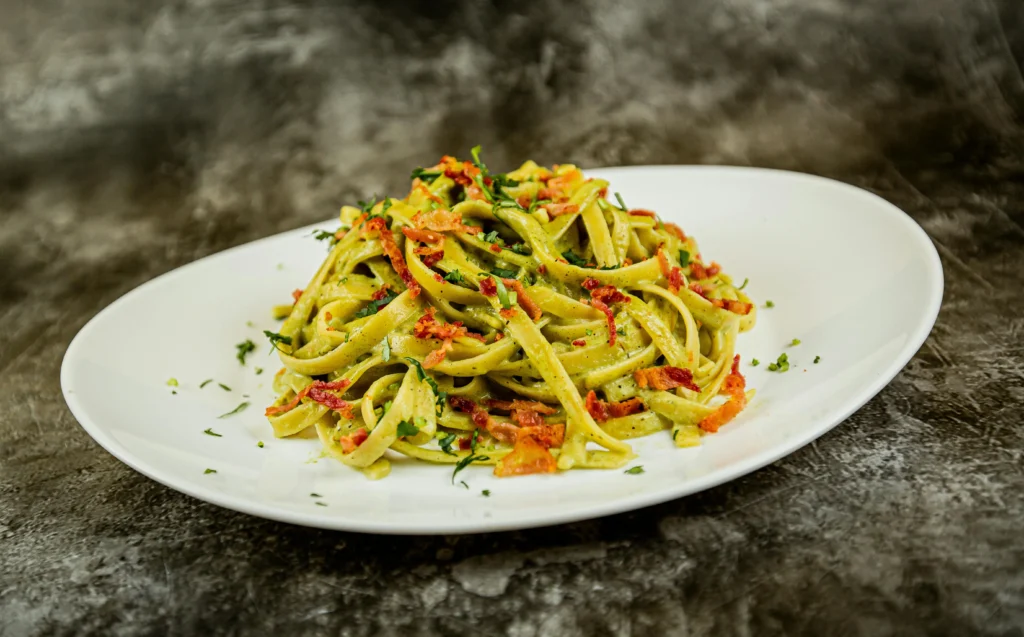
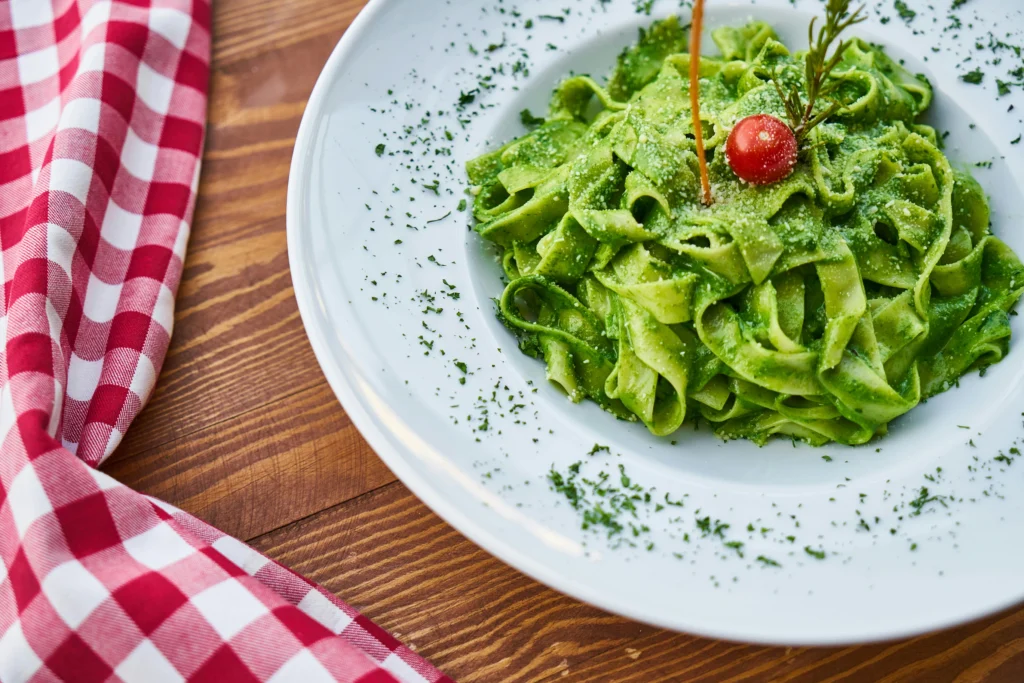
Pesto is loved for its simplicity and how it can make many dishes better. It’s great on pasta, pizza, salads, and even as a marinade. Its rich flavor and easy making make it a hit with both home cooks and chefs.
In short, knowing the basics of pesto sauce is key to making tasty Italian dishes. By understanding the traditional ingredients and trying out new ones, you can take your cooking to the next level and enjoy pesto’s versatility.
Essential Ingredients for Perfect Pesto
The secret to a mouth-watering pesto pasta is in the ingredients. Whether you’re making a simple pesto pasta or adding chicken for a protein-packed meal like pesto chicken pasta, the quality of your ingredients is key.
Fresh Basil: The Heart of Pesto
Fresh basil is the heart of any pesto sauce. Choose bright green, fragrant leaves. You can grow your own or find it at most supermarkets. Genovese basil is a popular choice known for its sweet flavor and aroma.
Choosing the Right Pasta Shapes
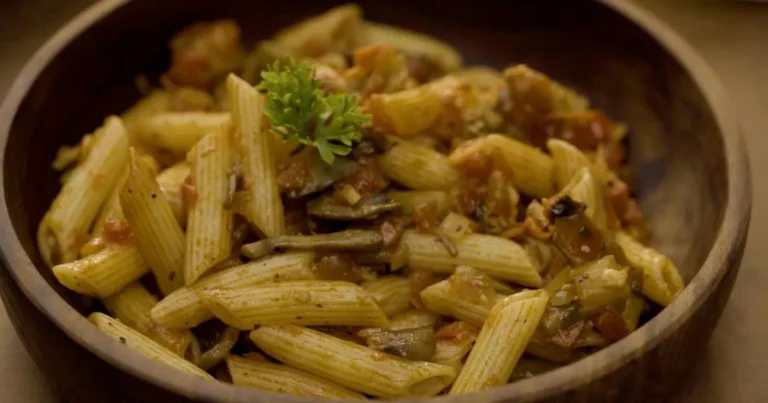
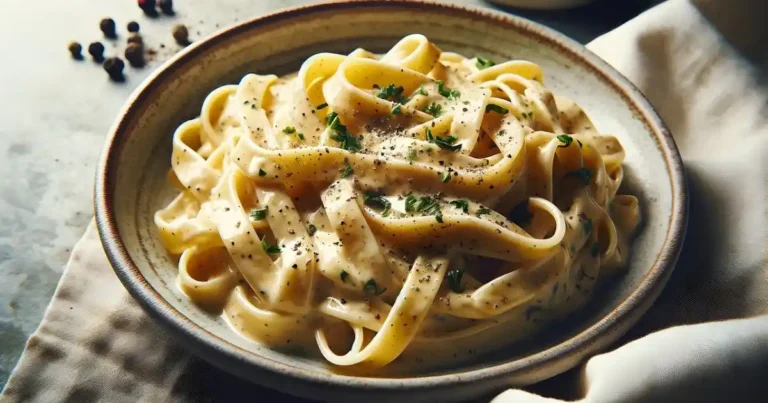
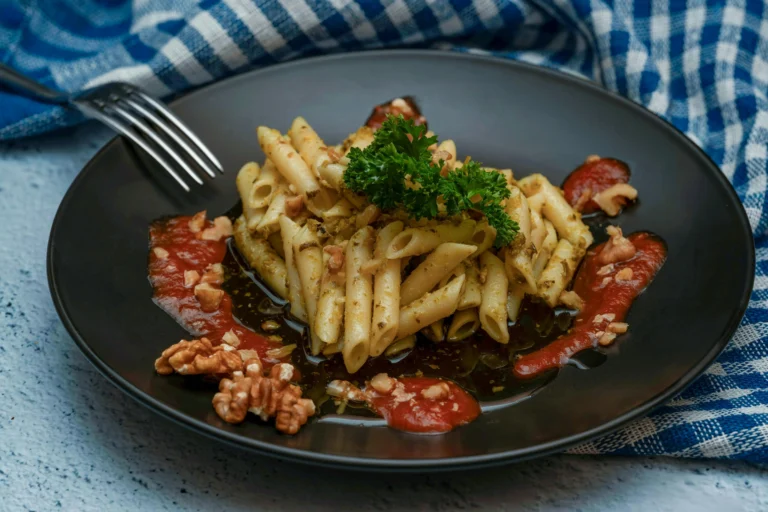
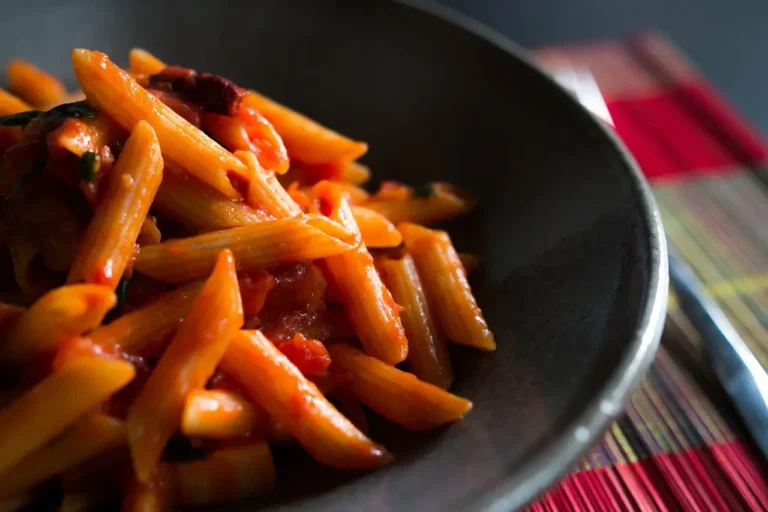
The shape of your pasta can change your dish. For pesto, linguine or spaghetti are classic picks. But you can also try penne or fusilli for a twist.
Quality Olive Oil and Cheese Selection
Extra virgin olive oil is essential for its rich flavor and smooth texture. For cheese, Parmesan is traditional, offering a salty, nutty taste. Mixing in some Pecorino adds depth.
Pine Nuts and Budget-Friendly Alternatives
Pine nuts add a unique texture and flavor. If they’re too pricey, try walnuts or almonds as alternatives. They’ll still give your pesto a rich, nutty flavor.
| Ingredient | Recommended Choice | Alternative |
|---|---|---|
| Basil | Fresh Genovese Basil | Dried Basil (in a pinch) |
| Pasta | Linguine or Spaghetti | Penne or Fusilli |
| Olive Oil | Extra Virgin Olive Oil | Avocado Oil |
| Cheese | Parmesan | Pecorino or Grana Padano |
| Nuts | Pine Nuts | Walnuts or Almonds |
Step-by-Step Guide to Making Pasta Pesto
Making pasta pesto is easy. First, prepare your ingredients. Then, blend the sauce and cook your pasta. Follow these steps for a delicious meal.
Preparing Your Ingredients
Start by gathering your ingredients. You’ll need fresh basil, garlic, pine nuts, Parmesan cheese, olive oil, and pasta. Freshness is key for the best flavor. Fresh basil makes a big difference.
Rinse your basil and remove stems. Peel your garlic and grate Parmesan cheese. Toast pine nuts lightly for extra flavor.
Blending the Perfect Pesto Sauce
Put basil, garlic, pine nuts, and Parmesan in a food processor. Process until well combined and the right consistency. Be careful not to overprocess to avoid a too-smooth sauce.
With the processor running, add olive oil slowly. This makes the sauce smooth and creamy. Taste and adjust seasoning as needed.
Cooking Pasta to Ideal Doneness
Cook pasta as the package says, until al dente. This takes 8-12 minutes, depending on pasta type. Check doneness by cooling a piece of pasta. It should be slightly firm.
| Pasta Type | Cooking Time |
|---|---|
| Spaghetti | 8-10 minutes |
| Fettuccine | 8-12 minutes |
| Penne | 10-12 minutes |
Combining Pasta and Pesto: Techniques for Best Results
Drain cooked pasta and return it to the pot. Add pesto sauce and toss to coat the pasta well. If using chicken, cook it first and add it later.
For creamier sauce, add some pasta water to the pesto. This helps the sauce stick to the pasta, making the dish richer.
Creamy Pesto Chicken Pasta for Beginners
Pesto and chicken are a perfect pair, especially with a creamy sauce. This dish is great for beginners wanting to improve their cooking. It’s a mix of flavors and textures that makes a tasty meal.
Simple Chicken and Pesto Combination
Start with cooked chicken, like grilled or sautéed. Mix it with pesto sauce. Make sure the chicken and pesto flavors work well together. You can choose chicken breast or thighs.
Creating a Creamy Pesto Sauce
To make your pesto sauce creamy, add heavy cream, Greek yogurt, or sour cream. Start with a little and adjust as needed. This makes the basil in the pesto taste richer. Adding Parmesan cheese adds more flavor.
One-Pot Creamy Pesto Chicken Pasta Recipe
Cooking everything in one pot makes it easier and less messy. Sauté the chicken first. Then add pasta, creamy pesto sauce, and chicken broth. Bring to a boil, then simmer until the pasta is done. Add a splash of cream for creaminess.
Customizing Your Chicken Pesto Dish
Make your creamy pesto chicken pasta your own by adding veggies like cherry tomatoes or spinach. Try different pasta types or add red pepper flakes for spice. This dish is a blank canvas for your creativity.
Delicious Pasta Pesto Variations
Pasta pesto is more than just a dish; it’s a canvas for endless creativity. You can mix and match ingredients to create dishes that suit every taste and diet. Whether you’re a vegetarian or a seafood fan, there’s something for everyone.
Vegetarian Pesto Pasta Options
For a meatless meal, try vegetarian pesto pasta. Add roasted veggies like zucchini, bell peppers, or cherry tomatoes for extra flavor and nutrition. Grilled eggplant and marinated artichoke hearts are also great choices.
- Roasted vegetable pesto pasta
- Pesto pasta with grilled portobello mushrooms
- Spinach and ricotta stuffed shells with pesto sauce
Seafood and Pesto Combinations
Seafood fans will love pesto with shrimp, scallops, or salmon. Shrimp scampi with pesto pasta is a favorite, combining delicious flavors.
- Pesto linguine with garlic shrimp
- Grilled salmon with pesto fettuccine
- Scallops with pesto and cherry tomatoes
Sun-Dried Tomato and Pesto Fusion
Sun-dried tomatoes bring a tangy taste to pesto pasta. This mix is especially good with chicken and pesto, making for a filling meal.
- Sun-dried tomato pesto pasta with chicken
- Pesto and sun-dried tomato stuffed chicken breast
Quick Pesto Pasta Salad Ideas
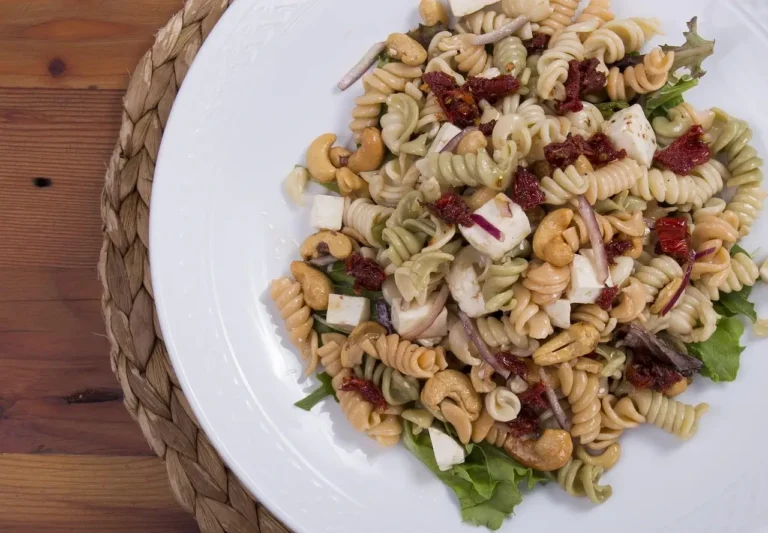
Pesto pasta salad is a quick and tasty meal. Mix cooked pasta with pesto, cherry tomatoes, and mozzarella balls for a light salad. Adding pesto chicken pasta makes it more substantial.
- Pesto pasta salad with cherry tomatoes and mozzarella
- Caprese pesto pasta salad
Common Mistakes to Avoid When Making Pasta Pesto
To make your pasta pesto delicious, avoid common mistakes. It’s not just about tossing pasta with pesto sauce. You need to focus on quality and details.
Overcooking Your Pasta
One big mistake is overcooking pasta. It should be al dente, still a bit firm. Overcooking makes it mushy and doesn’t mix well with pesto sauce.
Using Low-Quality Ingredients
Bad ingredients can ruin your pasta pesto. Use fresh basil, good olive oil, and real Parmesan cheese. They make a huge difference.
| Ingredient | Low-Quality | High-Quality |
|---|---|---|
| Basil | Wilted or old basil | Fresh, vibrant basil leaves |
| Olive Oil | Processed or blended oil | Extra virgin olive oil |
| Parmesan Cheese | Pre-grated, packaged cheese | Freshly grated, real Parmesan |
Improper Sauce Consistency
The pesto sauce’s consistency is key. It should be smooth but not too runny. Adjust the olive oil to get it right.
Temperature Considerations for Serving
It’s important to serve pasta pesto at the right temperature. Serve it hot, right after mixing with pesto. This way, the flavors blend perfectly.
Conclusion
Now you know the basics of pesto sauce and how to make it. You’ve picked the right ingredients and followed a simple guide. This means you’re ready to make tasty pasta pesto dishes.
Whether you’re new to cooking or have experience, this guide has helped you. You can now make creamy pesto chicken pasta and more. You’re ready to explore pasta pesto with confidence.
Keep trying new ingredients and recipes as you go. Pesto sauce is very versatile. You can make everything from classic pasta pesto to new, exciting dishes.
FAQ
What is the best type of pasta to use for pesto chicken pasta?
For pesto chicken pasta, long, thin pasta shapes like linguine or fettuccine work best. They let the pesto sauce coat evenly. Pappardelle or flat noodles also make a hearty dish.
Can I make pesto sauce without pine nuts?
Yes, you can make pesto without pine nuts. You can use walnuts, almonds, or pumpkin seeds instead. This way, you get a delicious pesto without pine nuts.
How do I store leftover creamy pesto chicken pasta?
Store leftover creamy pesto chicken pasta in an airtight container in the fridge. Keep it at 40°F (4°C) or below within two hours. When reheating, add milk or cream to keep the sauce creamy. Reheat it gently over low heat.
Can I use store-bought pesto sauce for my pasta pesto dish?
Store-bought pesto can be convenient, but homemade is better. It lets you control the ingredients and flavor. But, a good store-bought pesto can still make a tasty dish.
How do I prevent my pesto sauce from turning brown?
Use fresh, quality ingredients and avoid over-processing the basil. Adding lemon juice helps keep the pesto color and fresh.
Can I add chicken to my pesto pasta salad?
Yes, adding chicken makes your pesto pasta salad more filling. Use grilled, cooked, or roasted chicken. Mix it with pasta, pesto, and veggies for a healthy meal.
What are some variations of pesto chicken pasta I can try?
Try adding sun-dried tomatoes, roasted veggies, or grilled shrimp to your pesto chicken pasta. Use different cheeses like parmesan or mozzarella. A splash of cream can make the sauce richer.t.
There are no reviews yet. Be the first one to write one.